
Views: 0 Author: Site Editor Publish Time: 2025-10-17 Origin: Site


Ever wondered how high-quality insulation is achieved in buildings? Polyurethane Foam Spray Machines play a crucial role. These machines ensure seamless foam application, providing superior insulation. However, maintaining them is key to optimal performance and longevity. In this post, you'll learn about daily maintenance routines, deep cleaning procedures, and troubleshooting common issues to keep your machine running smoothly.
Maintaining your polyurethane foam spray machine daily keeps it running smoothly and prevents costly breakdowns. Start each day by inspecting the entire system thoroughly. Look for any visible damage or leaks in hoses and connections. Even small leaks can cause material imbalance, leading to poor foam quality.
Next, check oil levels in your generator and air compressor. These components power your machine, so keeping oil at the right level ensures reliable performance. If oil looks cloudy or low, top it up or replace it as needed.
Hoses deserve close attention. Examine them carefully for cracks, wear, or leaks. Damaged hoses can interrupt material flow and cause machine failure during a job. Replace any faulty hoses immediately.
Removing residual material after each use is critical. Leftover foam or chemicals can harden inside hoses, valves, or spray guns, clogging the system. Flush your equipment with appropriate solvents to clear out residues. Pay special attention to the gun screen and nozzle, where buildup often occurs. Keeping these parts clean prevents clogging and maintains consistent spray patterns.
Lubricate moving parts daily. Proper lubrication reduces friction, preventing premature wear and tear. Use recommended lubricants on seals, O-rings, and other mechanical components. This simple step extends equipment life and ensures smooth operation.
Remember to keep a maintenance log. Note inspections, oil checks, hose conditions, and cleaning performed each day. This record helps track equipment health and spot recurring issues early.
● Inspect hoses and connections for leaks or damage
● Check oil levels in generator and compressor
● Remove residual foam and chemicals from hoses and spray gun
● Lubricate moving parts and seals
● Record maintenance activities in log
Following these daily routines protects your investment and guarantees reliable foam application every time.
Tip: Always flush your spray machine with the manufacturer-recommended solvent at day’s end to prevent material buildup and avoid costly clogs.
Maintaining your polyurethane foam spray machine through weekly and monthly check-ups is essential for long-term performance. These more detailed inspections go beyond daily routines, ensuring deeper cleanliness and component integrity.
Every week or month, perform a thorough cleaning of your entire system. This includes disassembling parts like the spray gun, hoses, and Y strainer. Remove all foam buildup and chemical residues that daily flushing might miss. Use manufacturer-recommended solvents to soak and clean components, loosening hardened material that can clog or damage your equipment.
Pay special attention to areas where material tends to collect, such as the gun chamber and valve seats. A deep clean helps prevent blockages and maintains consistent spray quality. Also, clean other parts like the breaker box and bolts securing the equipment to avoid corrosion or loosening.
Filters trap contaminants before they reach sensitive parts of your machine. Over time, they clog and reduce material flow, causing pressure drops or uneven spraying. Inspect filters weekly or monthly depending on usage intensity. Replace them promptly when dirty or damaged.
Seals play a crucial role in maintaining airtight connections and preventing leaks. Examine seals for cracks, brittleness, or wear signs. Replace any faulty seals to keep material flowing smoothly and avoid contamination or equipment damage.
O-rings are small but vital components that ensure tight seals between moving parts. Regularly inspect them for signs of wear, deformation, or cracking. Damaged O-rings can cause leaks, pressure loss, or inconsistent foam mixing.
Replace worn O-rings during your weekly or monthly maintenance to maintain optimal machine performance. Keep a stock of common O-ring sizes to avoid downtime during replacements.
Keeping your spray gun clean is critical for smooth operation and high-quality foam application. Residual polyurethane foam and chemicals can harden inside the gun, clogging nozzles and disrupting spray patterns. Even tiny debris can cause uneven foam distribution or equipment malfunction. Regular cleaning prevents buildup, extends the gun’s lifespan, and reduces costly downtime caused by clogs or repairs.
Cleaning isn't just about the exterior. Internal components like the gun chamber, valve seats, and screens also collect material residues. Neglecting these areas leads to poor spray performance and increased wear on parts. Frequent cleaning ensures consistent flow and helps maintain the integrity of your foam application.
1. Disassemble the Gun: Carefully take apart the spray gun according to the manufacturer’s instructions, separating the nozzle, chamber, seals, and other removable parts.
2. Soak Components: Immerse parts in Dynasolve CU-6, allowing the solvent to loosen cured foam and residues. Soak time varies; check manufacturer guidelines to avoid damaging parts.
3. Clean Thoroughly: After soaking, use soft brushes or rags to gently remove loosened debris. Avoid abrasive tools that can wear down surfaces.
4. Rinse and Dry: Rinse parts with clean water to remove solvent traces. Dry completely to prevent corrosion or moisture-related damage.
5. Lubricate and Reassemble: Apply recommended lubricants to moving parts and seals before reassembling. Proper lubrication ensures smooth operation and reduces wear.
6. Flush the Gun: Run a cleaning fluid, such as Dynalube, through the spray lines to prevent residue buildup when the gun is not in use.
Regular cleaning using this method keeps your spray gun in top condition, ensuring reliable performance and reducing maintenance costs over time.
Lubrication plays a vital role in maintaining your polyurethane foam spray machine. Moving parts like pistons, seals, and O-rings experience constant friction during operation. Without proper lubrication, these components wear out faster, leading to leaks, pressure loss, or even machine failure. Applying lubricant reduces friction, prevents corrosion, and keeps parts moving smoothly.
Daily lubrication ensures your machine operates efficiently and extends its service life. Neglecting this step can cause downtime and costly repairs. Use lubricants recommended by the equipment manufacturer to avoid damage or contamination. Focus on areas where metal contacts metal or where seals rub against moving parts.
Polishing the side seal and chamber is an essential maintenance task that complements lubrication. These parts are critical for maintaining airtight seals and proper mixing of polyurethane components. Over time, residue buildup or minor scratches can compromise their function.
Use a fine polishing compound and a soft cloth or polishing tool to gently smooth the surfaces of the side seal and chamber. This process removes small imperfections and helps maintain a tight seal, reducing leaks and improving spray consistency. Polishing also prevents material buildup that could cause sticking or uneven flow.
Perform polishing during your weekly or monthly maintenance routines or whenever you notice decreased performance. Avoid harsh abrasives that could damage delicate surfaces.
Maintaining your polyurethane foam spray machine means knowing how to quickly spot and fix common problems. Here’s how to troubleshoot three frequent issues: clogged nozzles, pressure fluctuations, and temperature problems.
A clogged nozzle disrupts the spray pattern and reduces material output. You might notice uneven foam distribution or sputtering during application. To fix this:
● Remove the nozzle carefully.
● Soak it in a recommended solvent to dissolve hardened foam or chemical buildup.
● Use a soft brush or a fine wire to clear out any remaining debris.
● Avoid harsh tools that can damage the nozzle.
● After cleaning, rinse and dry the nozzle thoroughly before reinstalling.
Regular cleaning helps prevent clogs, but if you spot symptoms, act quickly. A clogged nozzle can cause uneven foam density, wasting material and compromising insulation quality.
Pressure inconsistencies affect foam quality and machine performance. If pressure fluctuates:
● Check your air compressor and generator oil levels; low oil can reduce efficiency.
● Inspect hoses and connections for leaks or damage that might cause pressure loss.
● Examine filters; clogged filters restrict material flow, causing pressure dips.
● Verify pump performance and adjust pressure regulators as needed.
● Ensure all valves operate smoothly without obstruction.
Maintaining steady pressure ensures uniform foam mixing and application. Sudden drops or spikes can lead to weak spots or overspray.
Temperature control is vital for proper foam reaction. If materials don’t react as expected:
● Check that material heaters are functioning correctly.
● Confirm temperature settings match manufacturer recommendations.
● Inspect heating elements and thermostats for faults.
● Ensure hoses and tanks are insulated to maintain consistent heat.
● Avoid overheating, which can degrade materials and damage equipment.
Proper temperature keeps the foam reactive and ensures consistent expansion and adhesion. Cold materials can cause poor mixing, while overheating risks premature curing inside the machine.
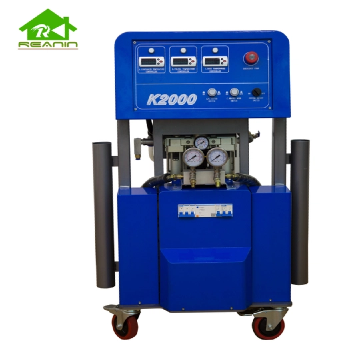
Maintaining your polyurethane foam spray machine throughout the year means adjusting care based on the season. Temperature changes affect material viscosity, equipment performance, and storage needs. Proper seasonal adjustments prevent damage and ensure your machine stays ready for use.
As temperatures shift, prepare your equipment accordingly. Cold weather can cause materials to thicken or freeze, which disrupts flow and damages components. Before winter hits, check that your heaters are working properly and set to recommended temperatures. Insulate hoses and tanks to maintain consistent warmth during operation and storage.
In hot weather, overheating risks material degradation and equipment wear. Monitor temperature controls closely, avoiding excessive heat that can cause premature curing inside hoses or the spray gun. Adjust heater settings to maintain optimal material viscosity for smooth spraying.
Always follow manufacturer guidelines for temperature ranges. Keep an eye on ambient conditions and adjust your machine’s temperature controls to match. This proactive approach prevents downtime and maintains foam quality.
When not in use, store your spray machine carefully to avoid damage from moisture, dust, or temperature extremes. Clean and flush the system thoroughly before storage, removing all residual materials. Use recommended solvents and lubricants to protect internal parts.
Store hoses, guns, and other components in a clean, dry environment away from direct sunlight or freezing conditions. If possible, keep equipment indoors or in a temperature-controlled area. Avoid stacking or bending hoses sharply, as this can cause cracks or leaks.
Use protective covers or cases for sensitive parts like spray guns to prevent dust accumulation and physical damage. Label stored components clearly to simplify retrieval and maintenance when the next job arises.
Winterizing is a critical step if you expect long periods of inactivity during cold months. Freeze damage can cause costly repairs, so take these precautions:
● Drain all liquids from tanks, hoses, and pumps to prevent freezing.
● Flush the system with antifreeze-compatible solvents if recommended by the manufacturer.
● Apply storage fluids like Dynalube to lubricate and protect internal seals and components.
● Seal openings to keep out moisture and contaminants.
● Store equipment indoors or in insulated shelters.
Winterizing protects your machine from cracking, seal failure, and corrosion caused by cold exposure. It also reduces startup issues when you return to work after winter.
Regular maintenance of a polyurethane foam spray machine is essential for optimal performance. Daily inspections, cleaning, and lubrication prevent costly breakdowns and ensure consistent foam quality. Weekly and monthly check-ups, including deep cleaning and component replacement, enhance equipment longevity. Seasonal adjustments help protect against temperature-related issues. By following these routines, users can maximize their investment and maintain reliable operation. Shandong Reanin Machinery Co., Ltd. offers high-quality machines designed for durability and efficiency, providing exceptional value and support for your foam spraying needs.
A: A Polyurethane Foam Spray Machine is equipment used to apply polyurethane foam for insulation and sealing purposes, ensuring efficient energy use in buildings.
A: Daily maintenance includes inspecting hoses, checking oil levels, removing residual foam, lubricating parts, and logging activities to ensure smooth operation and prevent breakdowns.
A: Regular cleaning prevents buildup, maintains spray quality, extends the gun's lifespan, and reduces downtime from clogs or repairs.


