
Views: 0 Author: Site Editor Publish Time: 2025-10-27 Origin: Site


Ever wondered how industrial surfaces get their seamless, durable coatings? Enter the polyurea spray machine, a game-changer in industrial applications. These machines are crucial for applying fast-curing, resilient coatings that protect against harsh conditions. In this post, you'll learn what polyurea spray machines are and their vital role in various industries.
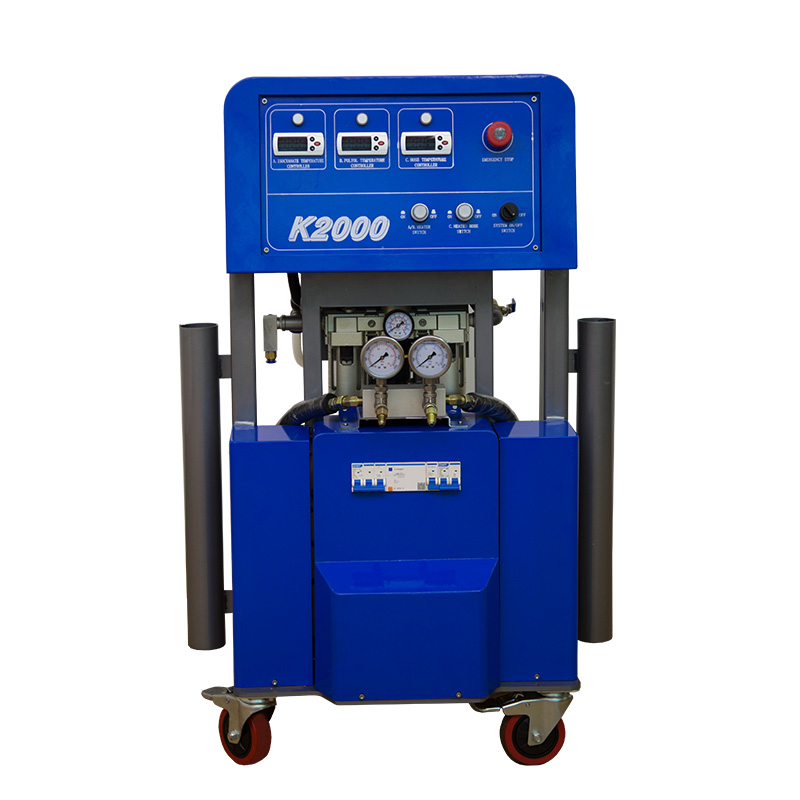
Polyurea spray machines are sophisticated devices designed to apply polyurea coatings efficiently and accurately. These machines combine advanced components engineered to mix and spray two-part polyurea materials—usually an isocyanate and a resin—ensuring the coating cures quickly and uniformly on surfaces.
A typical polyurea spray machine includes several essential parts working together to deliver high-quality coatings:
● Proportioning Pumps: These pumps precisely meter the two polyurea components at the correct ratio. Usually, positive displacement piston pumps are used for accuracy and durability. They maintain consistent flow rates to ensure proper mixing.
● Mixing Chamber: Inside the spray gun, the two components combine in a mixing chamber just before application. This on-demand mixing is crucial because polyurea cures fast once mixed.
● Heating System: Polyurea requires elevated temperatures for proper curing. The machine includes block heaters for the components and often heated hoses to maintain temperature during spraying. For example, heaters may provide up to 3.6 kW power, reaching temperatures around 70ºC.
● Air or Pneumatic Motor: Some machines use air-driven motors to power the proportioning pumps, enhancing portability and ease of use in various environments.
● Control Console: User-friendly interfaces with simple controls allow operators to manage pressure, temperature, and flow rates easily, minimizing the need for specialized training.
● Recirculation System: This system keeps the components circulating through the hoses and heaters, ensuring temperature consistency and reducing material waste during pauses.
● Chassis and Mobility Features: Many machines feature wheeled chassis for easy transport around job sites.
The machine pumps the two polyurea components separately through heated hoses, keeping them at the right temperature to maintain fluidity. The components meet in the spray gun’s mixing chamber, where they combine instantly and are sprayed onto the surface at high pressure. This rapid mixing and spraying prevent premature curing inside the equipment and ensure a seamless, uniform coating on the target area.
Consider a portable air-driven polyurea spray machine used for waterproofing a rooftop. The operator wheels the machine close to the work area, sets the temperature controls, and adjusts the pressure. Heated hoses maintain the fluid temperature as the components flow to the spray gun. The system’s recirculation feature keeps the materials ready for quick spraying, minimizing downtime. The result: a fast-curing, seamless waterproof barrier that withstands harsh weather.
Tip: Always verify the machine’s maximum hose length and heating capacity to ensure consistent temperature control and proper curing during your specific application.
Polyurea spray machines perform two critical tasks: precise mixing of components and applying them under high pressure and temperature. These tasks ensure the polyurea coating cures quickly and forms a durable, seamless layer.
The core of the process lies in mixing two components—usually an isocyanate and a resin—in exact proportions. The machine’s proportioning pumps measure and deliver each component at a precise ratio. This accuracy is vital because even slight deviations can affect the coating’s performance.
Inside the spray gun, the two parts meet in a mixing chamber. This chamber is designed for immediate, thorough mixing just before spraying. Since polyurea cures rapidly once mixed, this on-demand mixing prevents the material from hardening inside the equipment.
The spray gun then atomizes the mixture into a fine mist, which spreads evenly over the surface. This even application ensures the coating has a consistent thickness and superior adhesion, resulting in a smooth, flawless finish.
Polyurea coatings require high pressure and temperature to cure properly. The machines operate at pressures up to 4500 psi (about 310 bar), forcing the components through the hoses and spray gun with enough force to mix and apply efficiently.
Temperature control is equally important. The components are heated separately to around 70ºC (158ºF) or higher before mixing. This heating keeps the materials fluid and activates the chemical reaction needed for fast curing.
The machines achieve this with block heaters and optionally heated hoses. Heated hoses maintain temperature along the fluid path, especially for longer hose runs. A recirculation system helps maintain temperature consistency by circulating the components through the heaters during pauses.
Together, high pressure and temperature allow the polyurea to cure in seconds, creating a tough, elastic coating that bonds firmly to the substrate.
Polyurea spray machines play a vital role in various industries by delivering coatings that protect and reinforce surfaces. Their ability to apply durable, seamless polyurea coatings makes them indispensable for several key applications.
Polyurea coatings applied by spray machines provide excellent waterproofing. They create a seamless, flexible barrier that prevents water infiltration on surfaces such as roofs, basements, foundations, and bridges. This waterproof layer is highly resistant to environmental stresses, including UV rays, freeze-thaw cycles, and heavy rainfall.
Corrosion protection is another critical application. Metal and concrete structures exposed to harsh environments, like chemical plants, marine facilities, and pipelines, benefit greatly from polyurea coatings. The spray machines apply coatings that resist chemical attacks, saltwater exposure, and abrasion. This protection extends the lifespan of assets by preventing rust and degradation.
For example, spraying polyurea on a steel bridge deck forms a tough, chemical-resistant layer that shields the metal from corrosion caused by road salts and moisture. This reduces maintenance costs and downtime.
Beyond protection, polyurea spray machines reinforce surfaces exposed to heavy wear and mechanical stress. Industrial floors, truck beds, storage tanks, and containment structures often require coatings that withstand abrasion, impact, and chemical spills. Polyurea coatings offer high tensile strength and elasticity, absorbing shocks and resisting cracking.
In mining, water treatment, and oil and gas industries, polyurea coatings protect concrete and steel equipment from harsh chemicals and physical damage. Applying these coatings with spray machines ensures uniform thickness and adhesion, critical for reliable performance.
Additionally, polyurea coatings enhance safety by providing slip-resistant surfaces on walkways and ramps. The fast curing time of polyurea means minimal operational downtime during application.
Polyurea spray machines offer several key benefits that make them the preferred choice for applying polyurea coatings in industrial and commercial settings.
One of the biggest advantages is speed. Polyurea coatings cure in seconds once applied, thanks to the precise mixing and high-temperature spraying these machines provide. This rapid curing means projects finish faster, reducing downtime and allowing facilities to resume operations quickly.
For example, a factory floor coated with polyurea can be ready for heavy traffic within hours, not days. This fast turnaround is especially valuable in industries where downtime is costly.
The machines’ efficient heating and recirculation systems keep materials at optimal temperatures, ensuring smooth spraying without interruptions. This minimizes delays caused by material clogging or temperature drops.
Polyurea coatings applied by these machines form a tough, elastic layer that resists abrasion, chemicals, UV exposure, and extreme weather. The high-pressure spray ensures excellent adhesion and penetration into the substrate, enhancing durability.
The result is a seamless coating with no joints or weak spots, reducing the risk of leaks or coating failure. This seamless finish also improves aesthetics, providing a smooth, uniform surface.
Durability translates to lower maintenance costs and longer service life for coated structures. For example, pipelines sprayed with polyurea resist corrosion and mechanical damage for years, extending asset lifespan.
● Versatility: Machines adapt to various polyurea formulations and project sizes, from small repairs to large industrial applications.
● Consistency: Automated proportioning pumps ensure exact mixing ratios, maintaining coating quality across different batches.
● User-Friendly: Many models feature simple controls, reducing operator training time and errors.
● Cost-Effective: Despite initial investment, the long-term savings in labor, downtime, and repairs make these machines economical.
Proper maintenance and thorough training are vital to keep polyurea spray machines running smoothly and safely. These machines operate under high pressure and temperature, so neglecting upkeep or operator education can lead to costly downtime, equipment damage, or even safety hazards.
Maintaining a polyurea spray machine involves several key tasks to ensure reliability and longevity:
● Regular Cleaning: After each use, clean the spray gun, mixing chamber, and hoses thoroughly to remove any leftover polyurea material. Polyurea cures quickly, so any residue left inside can clog the system or damage seals.
● Seal and Gasket Inspection: Check seals, gaskets, and packing regularly for wear or damage. Replace these parts as needed to prevent leaks and maintain proper pressure.
● Lubrication: Some components, such as proportioning pumps, require periodic lubrication. Use manufacturer-recommended lubricants to reduce friction and wear.
● Heating System Checks: Inspect block heaters and heated hoses for proper function. Faulty heaters can cause uneven temperatures, resulting in poor coating quality.
● Air Supply Maintenance: Ensure the air compressor and pneumatic motors are clean and functioning correctly. Contaminated or insufficient air pressure can impair pump operation.
● Recirculation System Care: Keep the recirculation system clean and free of blockages to maintain consistent material temperature and reduce waste.
● Scheduled Servicing: Follow the manufacturer’s service manual for routine inspections and part replacements. Preventive maintenance helps avoid unexpected breakdowns.
Operating a polyurea spray machine safely requires specific knowledge and skills:
● Understanding Machine Controls: Operators must know how to adjust pressure, temperature, and flow rates correctly. Incorrect settings can cause poor coating performance or equipment damage.
● Safe Handling of Chemicals: Polyurea components can be hazardous. Proper personal protective equipment (PPE) such as gloves, masks, and eye protection is essential.
● Spray Techniques: Training on spray gun handling ensures even coating application, reduces overspray, and minimizes material waste.
● Emergency Procedures: Operators should be familiar with emergency shutdown protocols and first aid in case of exposure or accidents.
● Routine Checks: Training includes how to perform pre-use inspections to identify potential issues before starting work.
● Environmental Considerations: Proper disposal of waste materials and solvent use should be covered to comply with environmental regulations.
Many manufacturers and suppliers offer training programs tailored to their equipment. Investing in operator education improves application quality, extends machine life, and enhances workplace safety.
Selecting the perfect polyurea spray machine is key to ensuring your coating projects run smoothly and deliver top results. Several factors come into play when deciding which machine fits your needs best.
● Project Size and Scope: For small to medium jobs, a compact, portable machine with moderate output might suffice. Larger industrial projects demand machines with higher output capacity and longer hose lengths for extensive coverage.
● Pressure and Temperature Requirements: Different polyurea formulations require specific pressure and temperature ranges. Confirm the machine can maintain these conditions steadily during application to ensure proper curing.
● Mobility and Portability: If your work involves multiple sites or tight spaces, choose a machine with wheels or a lightweight design for easy transport.
● Ease of Use and Controls: Machines with intuitive controls reduce operator training time and errors. Features like a single control switch or digital displays help streamline setup and operation.
● Maintenance and Support: Consider machines from manufacturers known for reliable service, easy access to spare parts, and clear maintenance guidelines.
● Compatibility with Polyurea Brands: Ensure the machine works well with your chosen polyurea products. Some machines are optimized for specific brands or formulations.
● Budget Constraints: Balance initial investment against long-term savings from faster application, reduced material waste, and lower downtime.
Polyurea spray machines efficiently apply durable coatings through precise mixing and high-pressure spraying. They are vital for waterproofing, corrosion protection, and surface reinforcement. Future prospects include enhanced user-friendly features and expanded industrial applications. Shandong Reanin Machinery Co., Ltd. offers advanced machines that ensure seamless finishes and quick curing, providing significant value in various sectors. Their products boast unique benefits like easy mobility and consistent temperature control, making them ideal for diverse coating projects.
A: A Polyurea Spray Machine is a device designed to mix and apply polyurea coatings efficiently, ensuring quick and uniform curing on surfaces.
A: It mixes two polyurea components in a spray gun's chamber and sprays them at high pressure and temperature, creating a seamless coating.
A: It offers fast application, durable coatings, and seamless finishes, reducing downtime and maintenance costs.
A: They provide fast curing, durability, versatility, and cost-effectiveness in industrial and commercial applications.


