
Views: 0 Author: Site Editor Publish Time: 2025-10-23 Origin: Site


Have you ever wondered what makes insulation projects efficient and effective? The answer lies in Polyurethane Foam Spray Machine. These machines are essential in various industries, from construction to automotive, providing superior insulation and sealing capabilities. In this post, you'll learn about the price range of polyurethane foam spray machines and factors influencing their cost, helping you make informed purchasing decisions.
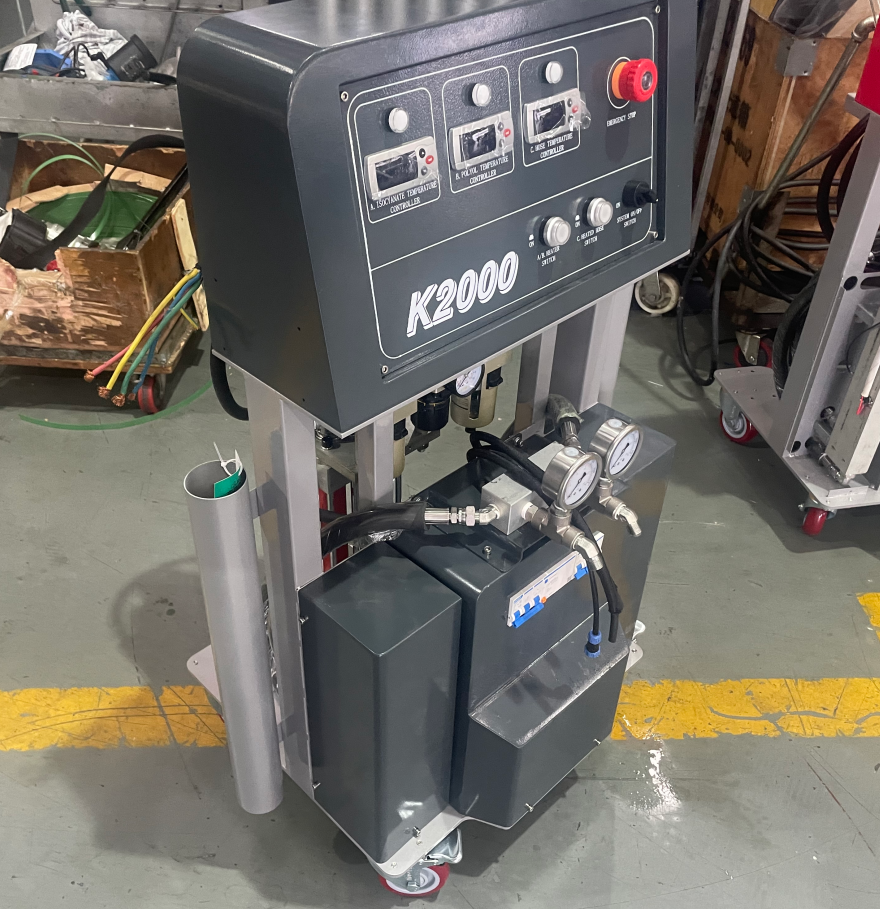
Polyurethane foam spray machines consist of several key components that work together to create and apply foam insulation efficiently:
● Heated Hoses and Pumps: These transport the two liquid components of the foam (polyol and isocyanate) from storage tanks to the spray gun, maintaining the right temperature and pressure.
● Spray Gun: The device where the two chemicals mix and are sprayed onto surfaces. It usually features controls for flow rate and spray pattern.
● Reactor Unit: This is the core of the machine, where the liquids are heated and pressurized before being pumped to the gun.
● Control Panel: Allows operators to adjust temperature, pressure, and mixing ratios to ensure consistent foam quality.
● Air Compressor (in pneumatic models): Provides the necessary air pressure to operate the spray gun and sometimes the pumps.
● Storage Tanks: Separate containers for polyol and isocyanate, kept at specific temperatures to maintain chemical stability.
The machine works by pumping two liquid components—polyol and isocyanate—through heated hoses to the spray gun. At the gun, these chemicals mix instantly and react to form polyurethane foam. The foam expands rapidly upon spraying, filling gaps and creating an insulating layer.
The process includes:
1. Heating: Both chemicals are heated to the ideal temperature to ensure proper mixing and foam formation.
2. Pressurizing: Pumps push the liquids through hoses at high pressure, ensuring a consistent flow.
3. Mixing: The spray gun blends the chemicals precisely, triggering the chemical reaction.
4. Application: The foam is sprayed onto the target surface, where it expands and cures quickly.
This method allows for fast, seamless insulation and sealing, reducing labor time and improving energy efficiency.
Polyurethane foam spray machines come in various types, each suited for different scales and applications:
● High-Pressure Machines: These use powerful pumps to deliver materials at pressures typically between 1,500 and 3,000 PSI. They produce high-quality, closed-cell foam and are ideal for large-scale commercial and industrial projects.
● Low-Pressure Machines: Operate at lower pressures, suitable for smaller jobs or open-cell foam applications. They are often more affordable and easier to operate.
● Hydraulic Machines: Use hydraulic power instead of air to drive pumps, offering more consistent pressure and better performance in demanding conditions.
● Pneumatic Machines: Powered by compressed air, these are generally lighter and more portable but may have less power compared to hydraulic types.
● Portable Units: Compact and mobile machines designed for small jobs or remote locations. They balance ease of transport with sufficient power for effective foam application.
Each type varies in complexity, price, and output capacity, allowing users to choose based on project size, foam type, and budget.
Tip: When selecting a polyurethane foam spray machine, carefully evaluate the components and machine type to match your specific project needs for optimal performance and cost-efficiency.
Several factors impact the price of polyurethane foam spray machines. Understanding these helps buyers select the right model for their needs and budget:
● Machine Type: High-pressure machines generally cost more than low-pressure or pneumatic models due to their advanced pumping systems and higher output capacity.
● Output Capacity: Machines with higher flow rates and faster application speeds tend to be pricier.
● Heating and Temperature Control: Precise heating systems that maintain optimal chemical temperatures add to the cost.
● Portability: Compact, portable units might cost less but could have lower power and capacity.
● Brand and Manufacturer Reputation: Established brands with proven quality and after-sales support often price their machines higher.
● Technology Features: Advanced control panels, digital monitoring, and automation increase machine price.
● Material Compatibility: Machines designed for specialized foam types or formulations may be more expensive.
● Warranty and Service: Extended warranties and comprehensive service packages can affect upfront costs.
● Certifications and Compliance: Machines meeting strict environmental or safety standards may carry a premium.
Polyurethane foam spray machines vary widely in price depending on specifications and features. Here is an overview of typical price ranges found in the market:
Machine Type | Price Range (USD) | Notes |
Entry-Level Low-Pressure | $230 - $700 | Suitable for small jobs, open-cell foam |
Mid-Range Low-Pressure | $1,000 - $3,000 | Balanced features for residential use |
High-Pressure Machines | $1,500 - $5,000 | Ideal for commercial and industrial work |
Portable Pneumatic Units | $4,000 - $5,000 | Lightweight, easy transport |
Advanced Hydraulic Models | $6,000 - $7,000+ | High reliability, continuous operation |
For example, entry-level models like the JX-Q30 can start around $230, offering basic closed-cell foam spraying capabilities. Mid-range machines such as those from Shandong Mingko Industry cost between $999 and $3,000, providing better performance and durability. High-pressure systems from manufacturers like Xiamen Firstents typically fall between $1,500 and $5,000, suitable for larger projects. Portable pneumatic machines like the Reanin K3000 command prices around $4,500 to $4,800, offering mobility without sacrificing power. Hydraulic-driven machines, often used in demanding environments, can exceed $6,000.
Polyurethane foam spray machines significantly boost efficiency compared to traditional insulation methods. They mix and apply foam rapidly, allowing large surfaces to be covered quickly. This speed reduces labor time and project duration, helping contractors finish jobs faster. The machines’ precise control over flow rate and spray pattern ensures consistent application, minimizing waste and rework. For example, high-pressure machines can spray hundreds of square feet per minute, making them ideal for commercial projects.
Polyurethane foam provides excellent thermal insulation, creating airtight seals that prevent heat loss or gain. Spray machines ensure the foam expands evenly and adheres tightly to surfaces, filling cracks and gaps that other insulation types might miss. This results in better energy efficiency for buildings and structures. The closed-cell foam produced by many machines offers high R-values, moisture resistance, and structural strength. These properties make polyurethane foam a top choice for residential, commercial, and industrial insulation.
Foam applied by spray machines is durable and long-lasting. It resists moisture, mold, and pests, which can degrade other insulation materials over time. The foam’s adhesion to surfaces prevents sagging or settling, maintaining insulation performance for years. Machines designed to deliver consistent foam quality help ensure the insulation layer remains intact and effective. This durability reduces maintenance costs and the need for frequent replacement, providing excellent return on investment.
Tip: Choose a polyurethane foam spray machine that offers precise temperature and pressure controls to maximize application speed and foam quality, ensuring efficient and durable insulation results.
Polyurethane foam spray machines serve many industries due to their versatility and effectiveness. They apply foam that expands and hardens quickly, creating durable insulation and seals. Here are some main applications:
These machines are widely used to insulate homes and commercial buildings. They spray foam on walls, roofs, floors, and around windows or doors. The foam fills gaps and cracks, preventing air leaks and improving energy efficiency. This reduces heating and cooling costs and enhances comfort. Contractors prefer spray machines for their speed and ability to cover large areas evenly. Polyurethane foam also offers moisture resistance, reducing mold risks in buildings.
In automotive and marine industries, polyurethane foam spray machines help insulate vehicle cabins, engine compartments, and boat hulls. The foam provides thermal insulation and soundproofing, enhancing passenger comfort. It also protects components from corrosion and vibration damage. Spray foam can be applied in tight spaces, making it ideal for custom vehicle builds or repairs. Its lightweight nature contributes to fuel efficiency in cars, trucks, and boats.
Industries use these machines for insulating pipes, tanks, cold storage facilities, and manufacturing equipment. Spray foam prevents heat loss or gain, maintaining process temperatures and energy savings. It also acts as a protective barrier against moisture, chemicals, and physical impacts. Facilities benefit from faster application times compared to traditional insulation materials. Specialized machines can handle high-volume or continuous operation for large-scale industrial projects.
Selecting the right polyurethane foam spray machine means focusing on features that align with your project needs. Consider these key aspects:
● Output Pressure and Flow Rate: High-pressure machines (1,500-3,000 PSI) deliver dense, closed-cell foam quickly. Low-pressure models suit smaller jobs or open-cell foam. Match pressure and flow rate to foam type and project size.
● Temperature Control: Precise heating ensures the chemicals mix correctly for consistent foam quality. Look for machines with adjustable temperature settings and stable thermostats.
● Mixing Accuracy: A good machine maintains an accurate mix ratio of polyol and isocyanate, usually close to 1:1. This prevents foam defects and material waste.
● Portability: If you work on various sites, portable or pneumatic units offer ease of transport. For fixed or large-scale projects, heavier hydraulic or high-pressure machines provide more power.
● Durability and Build Quality: Machines made from corrosion-resistant materials and quality components last longer and require less maintenance.
● User Interface: Digital control panels with clear displays help monitor temperature, pressure, and flow rates easily, improving precision and reducing errors.
● Safety Features: Automatic shutoff, pressure relief valves, and emergency stops protect operators and equipment.
● Warranty and Support: Choose brands offering solid warranties and responsive technical support to minimize downtime.
Quality impacts foam consistency, machine lifespan, and overall project success. Evaluate machines by:
● Customer Reviews and Ratings: Look for feedback on reliability, ease of use, and after-sales service.
● Certifications: CE, UL, or ISO certifications indicate compliance with safety and environmental standards.
● Material Efficiency: Top machines minimize foam waste through precise chemical delivery.
● Continuous Operation Capability: High-quality machines operate for long periods without overheating or pressure drops.
● Maintenance Requirements: Machines with easy access to parts and simple cleaning procedures reduce downtime.
● Technical Innovation: Features like real-time viscosity monitoring or self-cleaning systems enhance performance and reduce operator errors.
Using polyurethane foam spray machines safely is crucial to protect operators and ensure smooth operation. These machines handle chemicals that can be hazardous if mishandled. Here are key safety steps:
● Wear Protective Gear: Always use gloves, goggles, respirators, and protective clothing. This prevents skin contact and inhalation of fumes.
● Ensure Proper Ventilation: Work in well-ventilated areas to avoid buildup of harmful vapors.
● Follow Manufacturer Guidelines: Strictly adhere to operating instructions and safety warnings.
● Avoid Prolonged Exposure: Limit time spent near spray areas to reduce health risks.
● Use Emergency Equipment: Have eyewash stations and fire extinguishers nearby.
● Check for Leaks: Regularly inspect hoses and connections to prevent chemical spills.
● Train Operators: Ensure all users understand safe handling, machine operation, and emergency procedures.
Routine maintenance keeps machines running efficiently and extends lifespan. Follow these tips:
● Clean Spray Guns After Use: Residue buildup can clog nozzles and affect spray quality.
● Inspect Hoses and Connections: Replace worn or damaged parts promptly.
● Check Heating Systems: Ensure temperature controls work accurately to maintain foam quality.
● Lubricate Moving Parts: Prevent wear and tear on pumps and mechanical components.
● Monitor Pressure Levels: Keep within recommended ranges to avoid damage.
● Schedule Periodic Professional Servicing: Have experts perform detailed checks and calibrations.
● Store Chemicals Properly: Maintain polyol and isocyanate at recommended temperatures to preserve stability.
Common problems can disrupt spraying and reduce foam quality. Here’s how to address them:
● Poor Foam Quality: Check mix ratio, temperature settings, and spray gun condition.
● Machine Overheating: Verify cooling systems and avoid continuous operation beyond recommended periods.
● Pressure Drops: Inspect pumps and hoses for leaks or blockages.
● Clogged Nozzles: Clean spray guns thoroughly and replace worn tips.
● Inconsistent Flow: Adjust pressure and flow controls, and check for air in the lines.
● Electrical Faults: Examine wiring and control panels for damage or loose connections.
Regular attention to these issues minimizes downtime and ensures consistent, high-quality foam application.
Polyurethane foam spray machines vary in price based on type, capacity, and features. High-pressure models are ideal for large projects, while portable units suit smaller jobs. Future trends include enhanced automation and eco-friendly designs. Investing in a quality machine ensures efficiency and durability, reducing long-term costs. Shandong Reanin Machinery Co., Ltd. offers reliable products with advanced features, providing excellent value and support for diverse applications. Their machines combine power and portability, catering to various industry needs effectively.
A: A Polyurethane Foam Spray Machine is used to mix and apply foam insulation quickly and efficiently, filling gaps and creating an insulating layer.
A: The price of a Polyurethane Foam Spray Machine ranges from $230 for entry-level models to over $7,000 for advanced hydraulic systems.
A: High-pressure Polyurethane Foam Spray Machines deliver dense, closed-cell foam quickly, making them ideal for large-scale commercial projects.


