
Views: 0 Author: Site Editor Publish Time: 2025-09-15 Origin: Site


In today’s rapidly evolving construction industry, energy efficiency has become more than just a desirable feature—it is now a necessity. Rising energy costs, stricter building codes, and the global push toward sustainability have made efficient insulation one of the most critical elements in modern building design. Among the many solutions available, polyurethane foam spray machines stand out as indispensable tools for achieving superior insulation, airtightness, and long-term building performance.
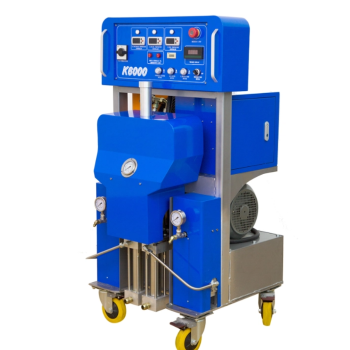
Polyurethane (PU) foam spray technology involves applying liquid polyurethane directly onto surfaces, where it expands and solidifies into a rigid, insulating foam. A polyurethane foam spray machine mixes and dispenses two liquid components—an isocyanate and a polyol—at high pressure. When combined, they undergo a chemical reaction that creates a dense, closed-cell foam.
Unlike traditional insulation materials such as fiberglass or mineral wool, sprayed polyurethane foam (SPF) adheres tightly to surfaces, filling gaps, cracks, and voids. This seamless application ensures maximum coverage and eliminates weak spots that could otherwise lead to air leakage or thermal bridging.
Buildings account for a significant portion of global energy consumption, particularly in heating and cooling. Poorly insulated structures lose heat in winter and allow excessive heat in during summer, forcing HVAC systems to work harder. This results in higher energy bills and greater environmental impact.
High-performance insulation provided by polyurethane foam spray machines directly addresses this issue by:
Reducing thermal conductivity – The closed-cell structure of PU foam provides superior resistance to heat transfer.
Eliminating air leaks – Seamless coverage prevents drafts and air infiltration.
Maintaining consistent indoor temperatures – Less reliance on heating and cooling systems improves energy efficiency.
In fact, studies show that buildings insulated with sprayed polyurethane foam can achieve energy savings of up to 50% compared to those using conventional insulation.
Polyurethane foam offers one of the highest R-values (thermal resistance) per inch among commonly used insulation materials. This means less material is required to achieve the same or better performance, allowing for slimmer wall profiles and more usable interior space.
From residential homes and commercial offices to warehouses and industrial facilities, polyurethane foam spray machines can be used across diverse construction projects. They are suitable for insulating walls, roofs, basements, and even complex structures like pipes or irregularly shaped cavities.
Polyurethane foam spray machines enable contractors to complete insulation work faster than manual installation of traditional materials. The spray application reduces labor time, minimizes material waste, and allows large areas to be covered in less time—an essential factor in fast-paced construction projects.
Unlike loose-fill or batt insulation that may sag, shift, or degrade over time, sprayed polyurethane foam maintains its structure and insulating properties for decades. This ensures long-term energy efficiency and reduces the need for costly replacements.
Closed-cell polyurethane foam acts as both an insulator and a moisture barrier. It prevents water infiltration, reducing the risk of mold growth and structural damage. This dual functionality is particularly valuable in humid climates or areas prone to heavy rainfall.
The adoption of polyurethane foam spray machines aligns with broader sustainability goals while also delivering economic advantages.
By improving insulation, buildings consume less energy for heating and cooling. This reduces greenhouse gas emissions and lowers operational costs.
Spray application minimizes off-cuts and leftover materials, reducing construction site waste compared to traditional insulation.
PU foam insulation helps builders meet or exceed energy codes and green certification requirements such as LEED, BREEAM, or national energy performance standards.
Though the initial investment in a polyurethane foam spray machine may be higher, the long-term savings from reduced energy bills and lower maintenance costs make it a cost-effective choice.
Despite the clear benefits, some misconceptions continue to surround polyurethane foam insulation, and it is important to clarify them.
Concern: Chemical safety during application
Solution: The installation process does involve chemicals, but with the use of proper protective gear and adequate ventilation, the procedure is completely safe. Once cured, the foam becomes chemically stable, inert, and non-toxic, posing no risk to occupants.
Concern: Higher upfront costs
Solution: While polyurethane foam may require a larger initial investment compared to traditional insulation materials, the long-term energy savings, enhanced durability, and reduced maintenance costs ensure that the system pays for itself over time.
Concern: Limited recyclability
Solution: Though recyclability has been a challenge, significant progress is being made with new sustainable PU formulations and advanced recycling technologies. These innovations are steadily reducing the environmental footprint of polyurethane foam insulation, making it a greener choice for modern construction.
In homes, PU spray foam improves comfort by maintaining consistent indoor temperatures, preventing drafts, and reducing noise transmission. Attics, crawl spaces, and wall cavities benefit most from seamless foam insulation.
Office complexes and retail spaces require efficient HVAC performance to manage operational costs. PU foam insulation reduces load on heating and cooling systems, ensuring a comfortable environment for employees and customers.
Factories and warehouses often face challenges with temperature regulation due to large spaces. PU spray machines deliver effective insulation and moisture resistance, protecting both equipment and inventory.
Polyurethane foam’s excellent thermal performance makes it ideal for cold storage facilities. Spray machines create insulation that maintains low temperatures and prevents energy loss, critical for food safety and energy efficiency.
PU spray machines are not limited to new construction—they can also be used to retrofit older buildings. This makes them invaluable in upgrading energy performance in existing structures without extensive modifications.
As the construction industry continues to embrace sustainability, the role of polyurethane foam spray machines is set to expand. Emerging innovations include:
Bio-based polyols – Reducing reliance on fossil fuels in foam production.
Smart insulation systems – Integrating sensors to monitor building performance in real time.
Automation and robotics – Increasing precision and safety in spray foam application.
These advancements position polyurethane foam spray machines at the forefront of sustainable construction technology.
Energy-efficient construction is no longer optional—it is essential for economic, environmental, and regulatory reasons. Polyurethane foam spray machines play a vital role in this shift, delivering superior insulation, airtightness, and durability that surpass traditional methods. By reducing energy consumption, lowering operational costs, and supporting green building initiatives, they have become indispensable tools for contractors and builders worldwide.
For businesses and professionals seeking to integrate high-performance insulation solutions, partnering with an experienced supplier can make all the difference. Shandong Reanin Machinery Co., Ltd. offers reliable polyurethane foam spray machines designed to meet the diverse needs of modern construction projects. To learn more about their advanced equipment and solutions, you can explore their offerings or contact the company directly for expert guidance.


