
Views: 0 Author: Site Editor Publish Time: 2025-09-17 Origin: Site


Polyurethane foam has become an essential material across industries ranging from construction to automotive, thanks to its outstanding insulation, sealing, and structural properties. With the increasing demand for energy-efficient buildings and durable industrial products, the Polyurethane Foam Spray Machine has emerged as a powerful tool for applying this versatile material.
However, as with any high-performance equipment, safe operation is critical. Misuse not only risks damaging the machine but also endangers workers’ health and workplace safety. This article provides a comprehensive guide to operating a polyurethane foam spray machine safely, covering preparation, proper use, maintenance, and safety protocols.
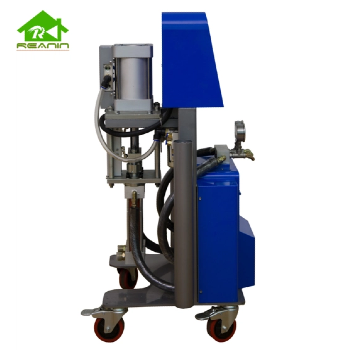
A polyurethane foam spray machine is designed to mix and spray two liquid components—commonly referred to as “A” (isocyanate) and “B” (polyol resin). When combined under pressure and heat, these components expand and harden into rigid or flexible foam.
Modern machines consist of:
Proportioning units that maintain the correct mixing ratio.
Heated hoses to ensure consistent temperature and material flow.
Spray guns that atomize and apply the foam.
Control systems for pressure, temperature, and flow rate adjustments.
Understanding these components is the first step in safe and efficient operation.
Before switching on the machine, preparation ensures that both the operator and the equipment are ready. Taking the time to set up properly not only improves efficiency but also minimizes risks of accidents, equipment failure, or exposure to hazardous materials.
Polyurethane foam spray machines are complex, high-pressure systems that require precise handling. Operators should undergo formal training that covers machine operation, troubleshooting, and emergency protocols. Certification programs often include practical sessions where workers learn to recognize potential hazards, identify equipment malfunctions, and implement safe spraying techniques. In addition, staying updated with refresher courses helps ensure that operators are familiar with the latest industry standards and safety regulations. Certification not only protects workers but also ensures compliance with local workplace laws, avoiding penalties and liability issues for employers.
Since isocyanates and polyols can irritate the skin, eyes, and respiratory system, proper protective gear is non-negotiable. Standard PPE includes:
Full-body protective suits to prevent skin contact with chemicals.
Chemical-resistant gloves to protect hands from liquid spills and accidental splashes.
Safety goggles or face shields to shield the eyes from airborne particles and pressurized spray.
Respirators or supplied-air systems to protect the respiratory system from inhaling vapors or fine particulates.
Employers should also ensure that PPE is properly fitted, inspected regularly, and replaced when worn out. Even minor tears or faulty respirator seals can compromise worker safety.
A safe and well-prepared worksite is just as important as trained staff and functional equipment. Proper ventilation is essential to avoid inhalation risks. If the job is indoors, the area should be equipped with exhaust systems, air scrubbers, or negative air machines to filter harmful vapors. For outdoor projects, operators must monitor weather conditions, as strong winds can cause overspray and chemical drift, affecting nearby people, vehicles, or properties.
Surfaces to be sprayed should be cleaned and prepped in advance to avoid chemical reactions with contaminants such as dust, oil, or moisture. Clearly marking off the spraying zone with warning signs or barriers also keeps unauthorized personnel at a safe distance. Additionally, fire extinguishers, spill kits, and first-aid supplies should be positioned within easy reach.
Proper preparation is the foundation of safe operation. By combining training, protective gear, and a secure worksite, operators create the conditions for a safe, efficient, and professional spraying process.
Operating a polyurethane foam spray machine requires careful attention to both procedure and safety. Following a step-by-step approach helps maintain consistent results while minimizing risks.
Before spraying, operators should preheat components to the manufacturer’s recommended temperature range, usually between 40–70°C. Hoses and connections must be inspected to confirm that they are leak-free and properly pressurized. Calibration of the system, including mixing ratios, should be verified to guarantee correct foam composition.
The spray gun should be held 18–24 inches from the target surface to allow even distribution. Applying foam in steady, overlapping passes ensures smooth coverage. Each layer should be given time to expand before additional material is added, preventing oversaturation. Avoid overspraying, as it wastes materials and creates uneven insulation thickness.
During spraying, operators must continuously monitor system pressure, foam expansion, and environmental conditions. Both temperature and humidity directly affect curing and final insulation quality, making constant observation essential for safety and performance.
While polyurethane foam is beneficial, unsafe practices can lead to hazards.
Chemical Exposure: Inhalation or skin contact with isocyanates can cause respiratory issues or allergic reactions. Always use PPE and ventilation.
High-Pressure Injuries: The machine operates under high pressure. Never place fingers near the spray gun tip; accidental discharge can inject chemicals under the skin.
Fire Risks: Polyurethane foam is combustible. Keep sources of ignition away during application and curing.
Slip Hazards: Overspray on floors can make surfaces slippery. Use protective coverings to prevent accidents.
A well-maintained spray machine is safer, more reliable, and longer-lasting.
Daily Cleaning: Flush the spray gun after each use to prevent clogging.
Hose Inspection: Check for cracks, leaks, or temperature inconsistencies.
Calibration Checks: Ensure the proportioning system maintains accurate ratios.
Scheduled Servicing: Follow manufacturer-recommended service intervals for pumps, filters, and heating systems.
Regular maintenance minimizes downtime and prevents costly repairs.
Ensure all workers on-site understand the spraying process and safety protocols, even if they are not directly operating the machine.
Keep first-aid kits, eyewash stations, and fire extinguishers readily available. Train staff on handling chemical spills or accidental exposure.
Dispose of empty containers and foam waste according to environmental regulations. Avoid burning waste, as it releases harmful fumes.
Polyurethane foam spray machines are widely used in:
Construction: Insulating walls, roofs, and floors for energy-efficient buildings.
Automotive: Sealing joints and reinforcing vehicle structures.
Appliance Manufacturing: Providing insulation in refrigerators and water heaters.
Industrial Equipment: Protecting pipelines and tanks with insulating layers.
Each application has its own safety considerations. For instance, spraying in confined construction spaces demands extra ventilation, while automotive applications may involve proximity to flammable materials.
Operating a polyurethane foam spray machine safely also involves meeting compliance standards:
OSHA (Occupational Safety and Health Administration) requirements for worker protection.
EPA (Environmental Protection Agency) regulations on chemical use and disposal.
Local building codes that govern insulation installation.
Compliance not only prevents fines but also enhances workplace credibility and ensures long-term sustainability.
The polyurethane foam spray machine is a cornerstone of modern insulation and manufacturing. While it offers exceptional efficiency and versatility, safety must remain the top priority. From proper training and protective gear to careful operation and maintenance, every step plays a role in ensuring safe and effective use.
For companies and contractors seeking reliable equipment, it is vital to choose machinery from trusted manufacturers who prioritize both performance and safety. To learn more about advanced polyurethane foam spray machines, you can visit Shandong Reanin Machinery Co.,Ltd.—a professional provider committed to delivering innovative and safe solutions.


