
Views: 0 Author: Site Editor Publish Time: 2026-07-04 Origin: Site


Commercial coating projects carry massive stakes. Roofing systems, secondary containment structures, and bridge decks demand absolute perfection. A single equipment failure quickly derails project timelines. We often see these failures stem from one core issue. Fast-curing polyurea requires stable pressure and consistent heat over expansive areas. When pressure drops or temperatures fluctuate, the coating fails. Soft spots and delamination ruin your hard work. You need robust equipment to handle this. Enter the hydraulic polyurea spray machine. The industry widely considers it the gold standard for sustained, high-volume applications. It delivers the raw power necessary for continuous operation. This article serves as a comprehensive evaluation guide. We designed it for contractors and procurement teams. You will learn how to evaluate, select, and deploy the right hydraulic equipment for your next massive job.
Consistent High Yield: Hydraulic drives maintain steady dynamic pressure, preventing the off-ratio mixing and material waste common in large-scale applications.
Superior Heating Capacity: Essential for fast-curing polyurea; primary heaters in hydraulic systems recover faster during continuous spraying than pneumatic alternatives.
Risk Mitigation: Proper adoption requires rigorous operator training and preventive maintenance to avoid catastrophic line clogs and blockages.
Commercial jobs introduce a unique scale problem. A large area polyurea spray project presents relentless demands. Crews must spray continuously for hours. You cannot afford pressure fluctuations. Polyurea cures in seconds. Any hesitation in the fluid lines ruins the surface integrity. Massive roofs or long bridge decks require thousands of gallons of material. Equipment must handle this heavy burden without overheating or lagging. Lower-tier machines simply cannot maintain the required pace. They stall, they overheat, and they ruin your chemical ratios.
Equipment spec sheets often list static pressure. This number misleads many buyers. Static pressure only shows resting line pressure. You must focus on dynamic pressure retention instead. This happens when the operator pulls the trigger. The pressure usually drops instantly. However, hydraulic pumps excel here. They maintain 2000 to 3000 PSI under heavy, continuous flow. This steady force pushes thick materials flawlessly. We measure equipment quality by how well it holds dynamic pressure during peak output.
Polyurea requires a strict 1:1 chemical proportion. If this ratio shifts, disastrous results occur. You will find soft spots, blistering, or uncured material. Hydraulic power ensures absolute ratio control. Fluid dynamics dictate equal push on both proportioning pumps. The motor does not stall or stutter. You avoid rework and material waste. Your commercial jobs achieve proper curing every single time. Consistent viscosity control separates professional rigs from amateur setups.
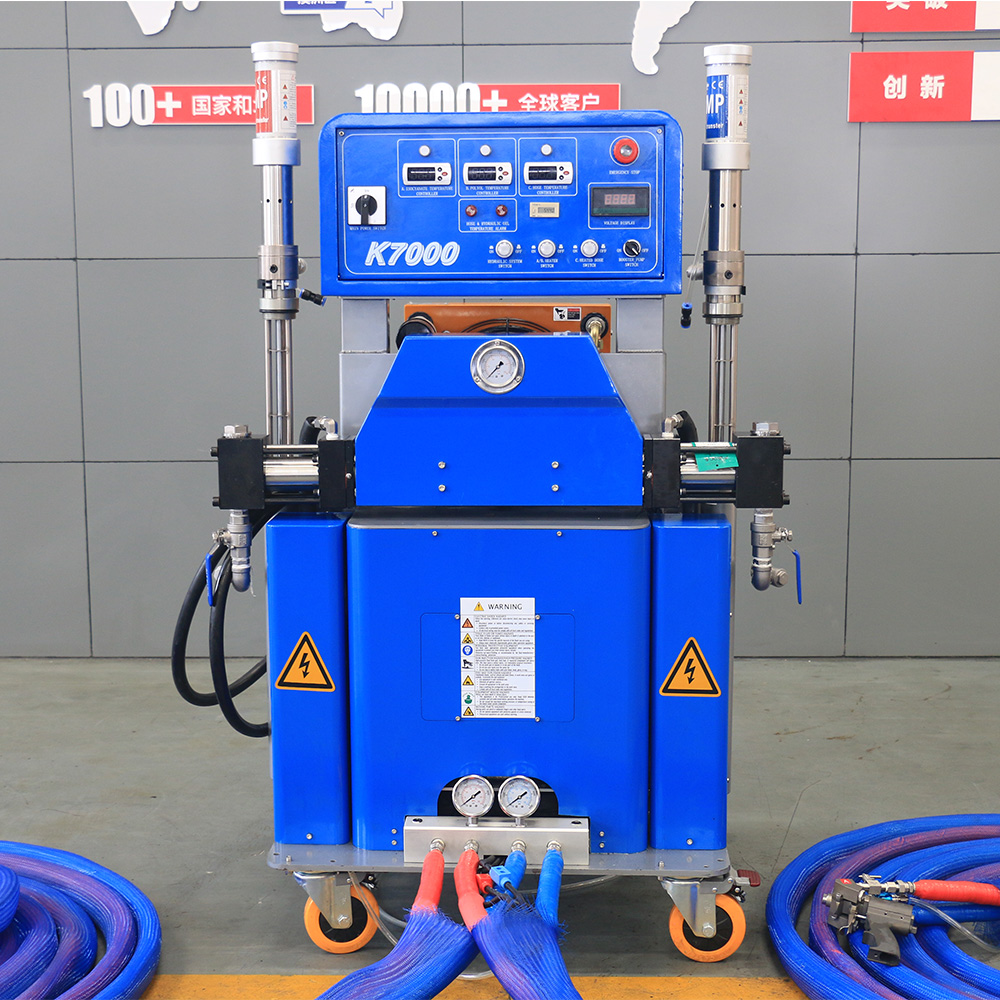
Pneumatic systems rely heavily on external air compressors. They convert air pressure into fluid pressure. This process loses significant energy. A hydraulic coating machine uses self-contained fluid power. It drives the proportioner directly. The motor operates efficiently and quietly. It does not suffer from moisture freezing in the air motor. Hydraulic oil provides an incompressible medium. This creates smooth, unwavering strokes. The energy transfer remains highly efficient compared to compressed air.
Let us compare maximum output limits. Pneumatic rigs struggle at high volumes. They usually cap out at lower flow rates. Hydraulic systems handle much higher gallons-per-minute (GPM). This qualifies them as a true high output polyurea sprayer. You can run larger mix chambers. You finish large surfaces much faster. High output limits allow contractors to scale their daily production drastically.
Logistical differences dictate your rig design. Hydraulic machines need heavy-duty generators. They draw significant electrical loads to power the heaters and motors. Pneumatic machines require massive tow-behind air compressors. These compressors consume huge amounts of diesel and occupy valuable trailer space. You must decide which power source fits your fleet. We often find generators more versatile for overall rig power. They power lights, transfer pumps, and agitators simultaneously.
Pneumatics work well for residential jobs. They handle touch-ups perfectly. However, hydraulically driven systems are mandatory for continuous industrial work. Infrastructure coatings demand unwavering reliability. You must choose hydraulics for bridge decks and large containment tanks. We strongly advise against using pneumatic systems for projects exceeding 5,000 square feet. The risk of pressure loss remains too high.
System Comparison Summary | ||
Feature | Hydraulic Systems | Pneumatic Systems |
|---|---|---|
Power Delivery | Self-contained hydraulic fluid power | External compressed air |
Dynamic Pressure | Highly stable (2000-3000+ PSI) | Prone to dropping during heavy use |
Ideal Application | Commercial, industrial, large scale | Residential, touch-ups, small scale |
Rig Requirement | High-capacity electrical generator | High-CFM tow-behind air compressor |
Heating blocks determine application success. Fast-curing chemicals need high temperatures. Evaluate the Delta-T (ΔT) capability carefully. The system must raise chemical temperatures from ambient to 150°F+. It must do this at maximum flow rates. Poor heating blocks lag behind. They spray cold material, ruining the chemical reaction. Check the total heater wattage before buying. Insufficient wattage forces operators to slow down. Slowing down destroys project profitability.
Pump design impacts longevity. You will see both horizontal and vertical pump orientations. Look closely at the stroke length. Longer stroke lengths reduce pump reversals. Fewer reversals mean fewer pressure spikes in the lines. This directly minimizes wear on internal seals. High-quality polyurea coating equipment lasts longer when seals survive the harsh chemicals. Horizontal pumps often provide more balanced wear distribution over time.
Modern projects demand strict quality control. Integrated software tracks vital spray data. It records temperatures, pressures, and flow rates continuously. This data protects you during warranty claims. You can easily generate QA/QC reports for your clients. Compliance becomes a simple, automated process. Government and military contracts often mandate this level of digital reporting. Do not purchase a system lacking basic data logging capabilities.
Construction sites break equipment. Rapid on-site troubleshooting saves the day. Assess the placement of fluid sections. Locate the filters and Y-strainers. You must reach them quickly. If material sits too long, it cures inside the lines. Easy access prevents catastrophic, permanent blockages. We recommend evaluating the machine's physical layout. Ensure your technicians can replace a pump seal in under an hour without specialized factory tools.
Verify the primary heater wattage exceeds 15kW for large jobs.
Calculate the maximum Delta-T at your desired GPM output.
Inspect the Y-strainer accessibility on both A and B fluid sides.
Confirm the presence of digital pressure and temperature tracking.
Review the pump stroke length specifications to gauge seal lifespan.
Field operators complain about clogged lines frequently. Isocyanates crystallize when exposed to moisture. A hydraulic polyurea spray machine pushes these crystals into filters quickly. You must enforce strict parking protocols. Flushing systems correctly is non-negotiable. Proper storage prevents chemical degradation. Follow daily maintenance routines religiously. Failure to lubricate the wet cup daily leads to rapid iso-pump failure. You cannot cut corners on maintenance.
Deployment errors happen often. Mismatching electrical requirements causes severe damage. You must verify single-phase versus three-phase power. Match this to your mobile rig's generator capacity. Undervaluing the startup load trips breakers constantly. We see burned-out motors from improper phasing. Map your electrical loads accurately. The heaters, hoses, and main motor demand simultaneous power surges during startup. Your generator must handle this peak load effortlessly.
Advanced machinery cannot fix bad labor. You need skilled operators. They must understand fluid dynamics deeply. They should troubleshoot pressure imbalances instantly. Chemical safety remains a top priority. Do not hand a high-pressure proportioner to a novice. Invest heavily in operator training and certification. A trained operator hears pump cavitation before it causes damage. They adjust temperatures proactively based on ambient weather conditions.
Inspect and clean Y-strainers daily before system startup.
Lubricate wet cups with approved throat seal liquid (TSL).
Check hydraulic fluid levels and monitor for unusual discoloration.
Purge air from lines carefully when swapping chemical drums.
Park the system with proper moisture-blocking fluids during long downtime.
Evaluate ROI through production speed. Calculate square footage completed per day. A high-output hydraulic rig costs more initially. However, it applies material much faster. You finish jobs days earlier. This speed offsets the equipment depreciation rapidly. Faster project turnover equals more annual revenue. When evaluating different models, always prioritize the maximum sustained output over the base sticker price. Speed dictates your ultimate profitability in commercial contracting.
Do not just buy a machine. Buy into a support network. Local distributor networks matter immensely. Parts availability dictates your downtime. You will need replacement seals and heater rods quickly. Check the vendor's technical support service level agreements (SLAs). Strong support keeps you spraying. A cheap machine becomes incredibly expensive if you wait weeks for a proprietary replacement part. Prioritize vendors offering overnight parts shipping.
Prepare thoroughly before requesting vendor demonstrations. Map your exact project requirements. Determine the necessary hose length for your typical jobs. Calculate your maximum daily output target. Gather your specific coating chemical specifications. Give this data to the vendor. They will match you with the perfect system. Asking a vendor for recommendations without providing these details leads to undersized equipment purchases.
Upgrading to hydraulic equipment represents a strategic business decision. It scales operations efficiently and guarantees application quality on every job. Static pressure readings mean very little in the real world. Dynamic pressure retention ensures your chemicals mix perfectly at a 1:1 ratio. You protect your reputation by eliminating soft spots and delamination risks associated with underpowered pneumatic systems.
Look beyond the simple spec sheet. Evaluate the vendor’s post-sale support heavily. Consider how the machine integrates into your broader ecosystem. Your spray guns, heated hoses, and transfer pumps must communicate seamlessly with the main proportioner. A disjointed rig causes endless frustration and electrical faults. Build a cohesive, unified spraying system.
Take action today by auditing your current project failure rates. If pressure drops cause your rework, prioritize a hydraulic upgrade immediately. Map your required hose lengths, calculate your daily output goals, and demand live demonstrations. Invest in operator training concurrently. Robust equipment paired with skilled labor guarantees your success in the competitive commercial coating market.
A: Yes, most high-end hydraulic proportioners can handle both. However, operators must rigorously flush the system. They must adjust temperature and pressure settings carefully. Foam typically requires lower pressures and temperatures than fast-curing polyurea.
A: Requirements vary heavily by the machine's heater wattage. Industrial hydraulic systems typically require a 30kW to 40kW generator. This size handles the simultaneous startup load of the primary heaters, the main motor, and the heated hose lengths.
A: Pressure imbalances usually stem from a restriction in the fluid supply. Check for transfer pump issues or a clogged Y-strainer. A worn pump seal or cavitation due to cold drum materials also causes this. It rarely points to a failure of the hydraulic drive itself.
A: Routine maintenance involves changing hydraulic fluids and filters, adding a slight premium. However, hydraulic motors have fewer moving parts subjected to moisture. This difference often results in longer lifespans and lower long-term repair costs on large commercial projects.


