
Views: 0 Author: Site Editor Publish Time: 2025-07-18 Origin: Site


Cold chain logistics are essential in keeping temperature-sensitive products safe. Industries like food and pharmaceuticals rely on it to preserve product quality. However, maintaining the cold chain can be challenging due to temperature fluctuations and energy inefficiencies.
In this article, we’ll explore how advanced polyurethane foam spray machines can optimize cold chain systems. You'll learn how these machines improve insulation, reduce energy costs, and enhance the efficiency of cold chain logistics.
Polyurethane foam is a versatile material known for its thermal insulation properties. It's lightweight, durable, and provides excellent protection for temperature-sensitive products. The foam structure can either be open-cell or closed-cell. Open-cell foam has a sponge-like structure, while closed-cell foam is denser and more rigid. Closed-cell foam is often used in cold chain logistics for its better insulation properties.
Polyurethane foam is commonly used in refrigerated storage, transport, and packaging for goods like food and pharmaceuticals. It helps maintain the right temperature, reducing the risk of spoilage during transit.
Polyurethane foam plays a critical role in keeping temperatures stable. By creating an effective barrier against heat, it minimizes temperature fluctuations in cold storage and transport. This not only helps protect perishable goods but also reduces energy consumption. With better insulation, refrigeration units don't need to work as hard, saving both energy and money.
When compared to other materials like EPS (expanded polystyrene) and PE (polyethylene), polyurethane foam provides superior insulation. It outperforms these materials in terms of thermal resistance and energy efficiency, making it the go-to option for cold chain logistics.
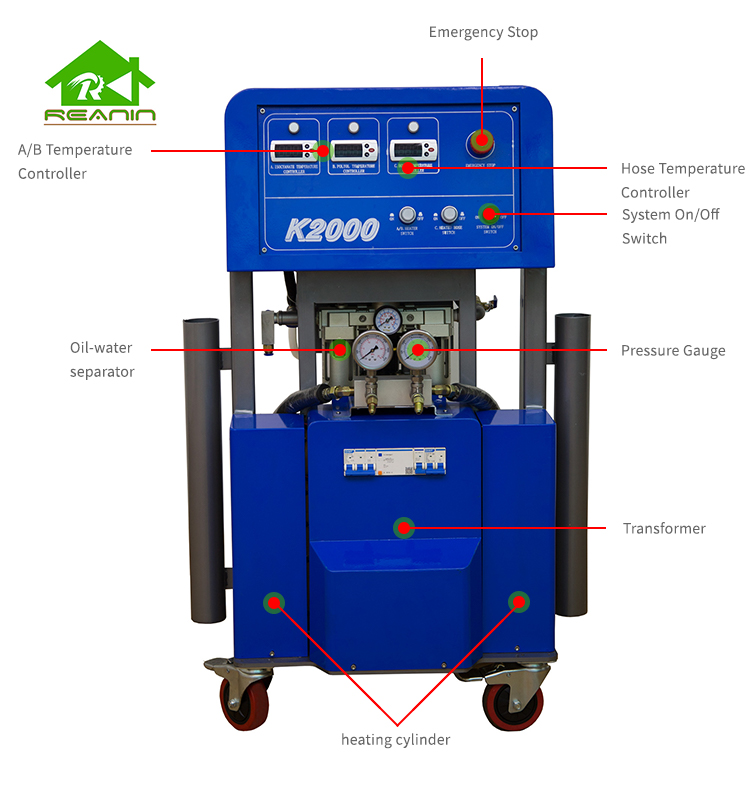
Polyurethane foam spray machines are specialized devices used to apply foam insulation for cold chain logistics. These machines mix two key components—polyol and isocyanate—at precise ratios to create sprayable polyurethane foam. The mixture, once sprayed, expands and solidifies to form a thick layer of insulation, which is crucial for temperature-sensitive goods like food, pharmaceuticals, and chemicals.
These spray machines are used extensively in cold storage units, refrigerated trucks, and custom packaging. By providing a uniform, high-quality insulation layer, they help maintain temperature control during transport and storage, reducing the risk of spoilage and product loss.
Here’s a comparison of the three types of polyurethane foam spray machines commonly used in cold chain logistics: Small Portable PU Foam Sprayer, High Pressure Polyurethane Foam Machine, and Mobile vs Stationary Spray Machines.
| Type of Foam Spray Machine | Description | Ideal Use |
|---|---|---|
| Small Portable PU Foam Sprayer | Compact and mobile, ideal for insulating smaller cold storage units, trucks, or temporary setups. | Smaller cold storage units, trucks, and temporary setups. |
| High Pressure Polyurethane Foam Machine | Designed for large-scale applications, this machine produces thicker, more durable foam layers, perfect for larger facilities and extensive transport needs. | Large cold storage facilities, extensive transport needs. |
| Mobile vs Stationary Spray Machines | Mobile machines are portable and flexible, suitable for on-the-go insulation tasks, while stationary machines are fixed and designed for high-efficiency applications in large, consistent environments. | On-the-go insulation vs large, consistent applications. |
Polyurethane foam is known for its excellent thermal insulation properties. It is highly effective at maintaining the desired temperature range for temperature-sensitive goods. Whether it’s food, pharmaceuticals, or chemicals, temperature control is crucial to ensuring that these products stay safe and effective throughout transport and storage. Polyurethane foam provides a reliable barrier against heat transfer, keeping products within their required temperature zones.
When compared to traditional insulation materials like Expanded Polystyrene (EPS), polyurethane foam stands out. EPS may be effective at insulation, but it doesn’t match the performance of polyurethane foam in terms of its thermal resistance. Polyurethane foam’s closed-cell structure helps it provide much higher insulation, especially in demanding environments like refrigerated trucks or cold storage rooms.
For example, in refrigerated trucks, polyurethane foam is used to insulate the walls and ceilings. This insulation helps maintain the necessary low temperatures, ensuring that perishable goods, like fresh produce or frozen foods, don’t spoil during transport. Similarly, in cold storage facilities, polyurethane foam helps preserve the temperature consistency needed for storing medicines and vaccines, preventing them from degrading due to temperature fluctuations.
One of the key benefits of using polyurethane foam spray machines is the significant energy savings they offer. Polyurethane foam’s high thermal resistance makes it one of the most energy-efficient insulation materials available. Once applied, foam reduces the need for constant refrigeration, cutting down on the overall energy consumption of the cold chain system.
The superior insulation of polyurethane foam directly translates into reduced fuel consumption. For instance, refrigerated trucks require less energy to maintain the desired temperature because the insulation prevents external heat from affecting the internal environment. This means the refrigeration unit doesn’t need to work as hard or run as frequently, leading to substantial savings in fuel costs over time.
Beyond the immediate savings, polyurethane foam offers long-term financial benefits. Since foam maintains optimal temperatures with minimal energy input, it helps companies save on electricity costs in cold storage and transportation. This also reduces the wear and tear on refrigeration units, prolonging their lifespan and reducing maintenance costs. Furthermore, better insulation minimizes the risk of spoilage or product loss, which can be financially devastating, especially in industries dealing with perishable goods like food and medicine.
Polyurethane foam doesn’t just provide thermal insulation; it also plays a critical role in protecting goods from physical damage during transport. Many products, such as pharmaceuticals, vaccines, and fragile food items, are sensitive not only to temperature but also to shock and vibration. Polyurethane foam serves as a cushioning material, preventing these products from shifting during transit and absorbing any impacts that could otherwise cause damage.
In the case of pharmaceuticals and vaccines, even small temperature fluctuations can compromise their effectiveness. Polyurethane foam helps keep these products within the precise temperature range required, protecting them from external conditions that could cause degradation. Additionally, the foam’s shock-absorbing qualities ensure that the products remain undamaged and viable by the time they reach their destination.
For example, foam is often used in packaging to protect fragile food items like eggs, glass bottles, and delicate fruits. By cushioning these products, foam ensures they reach their destination intact, preventing financial losses from damaged goods. This protection is crucial in sectors where quality control is paramount, and the cost of damaged goods can outweigh the transportation cost itself.
In essence, polyurethane foam spray machines not only improve the efficiency of cold chain logistics but also enhance the safety and reliability of the entire process. By providing superior insulation, cost savings, and protection, they help companies meet the rigorous demands of temperature-sensitive shipping and storage.
As businesses aim for more sustainable practices, eco-friendly polyurethane foam options are becoming increasingly popular. One significant advancement is the use of bio-based polyols, which replace traditional petroleum-based chemicals. Bio-based polyols are derived from renewable resources, like plant oils, making them a more sustainable alternative. This shift to bio-based ingredients reduces the environmental impact of foam production, offering a greener option for industries relying on insulation.
Polyurethane foam also plays a critical role in reducing the carbon footprint of cold chain logistics. By providing superior insulation, it helps reduce the energy needed to maintain the required temperatures for temperature-sensitive goods. Less energy consumption means fewer greenhouse gas emissions, contributing to sustainability goals. Companies using polyurethane foam in their cold chain systems can lower both their energy costs and environmental impact, aligning with global sustainability targets.
Additionally, recyclable polyurethane foam is becoming more common. When used in cold chain logistics, it can be recovered and reused at the end of its life cycle. This reduces the amount of waste sent to landfills, promoting a more circular economy. Recyclable foam is also easier to process and reuse compared to other insulation materials, making it a practical choice for businesses looking to improve their environmental footprint.
Recent advancements in polyurethane foam technology have focused on reducing environmental impacts even further. One such innovation is the development of low-GWP (Global Warming Potential) polyurethane foams. These foams have been designed to have a much lower environmental impact compared to traditional foam, which contains higher-GWP blowing agents. Low-GWP foams contribute to a reduction in the overall environmental impact of insulation materials and are more in line with global climate goals.
Another important development is the use of alternative blowing agents. Traditionally, blowing agents like hydrofluorocarbons (HFCs) were used in foam production, but these chemicals contribute to ozone depletion and climate change. Today, more eco-friendly alternatives are being used in foam manufacturing, helping to reduce harmful emissions. These new blowing agents are more energy-efficient and have a lower environmental impact, making polyurethane foam a greener choice.
Furthermore, polyurethane foam is increasingly being designed with recyclability in mind. As the push for sustainability grows, foam manufacturers are focusing on creating products that can be easily recycled at the end of their life cycle. Recycled polyurethane foam can be repurposed for new applications in cold chain logistics, reducing the demand for new raw materials and minimizing waste. This helps companies move closer to achieving their sustainability and circular economy goals.
By investing in these advancements, industries can continue to use polyurethane foam for insulation in a more environmentally responsible way. These innovations not only help reduce the environmental footprint of cold chain logistics but also support a shift toward more sustainable business practices.
One example of polyurethane foam's success in cold chain logistics comes from a food distributor. This company used polyurethane foam spray machines to insulate their refrigerated transport vehicles. The food distributor faced significant challenges with spoilage during long-haul transport. By applying foam insulation to the walls and ceilings of their trucks, they were able to maintain the proper temperature for perishable items like dairy, produce, and meat. The improved insulation prevented temperature fluctuations that had previously led to spoilage, ensuring products arrived at their destinations in optimal condition.
The food distributor also noted a reduction in energy consumption. The better-insulated trucks required less energy to maintain the desired temperatures, which helped lower fuel costs and reduce their environmental footprint.
A pharmaceutical company implemented polyurethane foam spray machines for insulating their vaccine storage and transport containers. Vaccines require a consistent temperature range, and even small deviations can render them ineffective. By using foam spray insulation, the company ensured that their vaccines remained at the correct temperature during storage and throughout the transportation process.
This case study highlights the versatility of foam in meeting stringent temperature requirements. The company was able to reduce the risk of vaccine degradation due to temperature fluctuations and improve the reliability of their cold chain logistics. Additionally, the insulation helped reduce the energy needed to maintain the required cold storage conditions, contributing to long-term cost savings.
In another example, a chemical supplier turned to polyurethane foam spray machines to ensure the safe transport of temperature-sensitive chemicals. These chemicals require strict temperature control to avoid hazardous reactions or degradation. The company used spray foam to insulate their transport vehicles and storage containers, providing an extra layer of protection against temperature fluctuations and external conditions.
The supplier found that foam insulation improved both the safety and efficiency of their operations. The insulating properties of the foam reduced the risk of chemical spoilage or accidents due to improper temperature control. Furthermore, the cost savings from reduced energy use and fewer product losses made the investment in polyurethane foam technology worthwhile.
From these real-world examples, several key takeaways can help other businesses looking to optimize their cold chain logistics:
Improved Temperature Control: Polyurethane foam significantly enhances temperature stability during transport and storage. It prevents external temperature fluctuations from affecting sensitive goods, which is particularly important for perishable items like food, vaccines, and chemicals.
Energy Savings: Foam’s superior insulation reduces the need for excessive refrigeration, leading to long-term energy savings. Businesses can lower operational costs, particularly fuel and electricity, by investing in high-quality foam insulation.
Cost-Effectiveness: While the initial investment in foam spray machines might be significant, the long-term benefits—such as fewer product losses and energy savings—make it a cost-effective solution. This is especially true for industries dealing with high-value, temperature-sensitive products.
Here are some best practices for successfully incorporating polyurethane foam spray machines into cold chain logistics:
Proper Planning and Installation: Before applying foam, it’s essential to assess the specific insulation needs of your storage or transport equipment. Work with experts to ensure the foam is applied uniformly and at the right thickness to meet your temperature control requirements.
Ongoing Maintenance: Regular inspections are important to ensure that the foam insulation remains intact and performs optimally. Over time, foam can degrade or become damaged, so it’s essential to replace or repair any compromised sections to maintain efficient cold chain logistics.
Training and Support: Operators must be well-trained in using foam spray machines, particularly in handling the chemicals involved. Proper training ensures that foam is applied correctly and efficiently, maximizing insulation performance and safety.
Polyurethane foam spray machines are vital for cold chain optimization. They offer superior insulation, energy efficiency, and protection for temperature-sensitive goods. As cold chain logistics continue to evolve, advanced foam technologies play an increasingly important role. These machines help meet the growing demands of global supply chains by ensuring better product safety and reducing energy costs.
A: Polyurethane foam is a versatile material used for insulation. It is lightweight, durable, and provides excellent thermal resistance, making it ideal for cold chain logistics.
A: Polyurethane foam helps maintain stable temperatures, reduces energy consumption, and provides protection from external temperature fluctuations, ensuring safe transport and storage of perishable goods.
A: Polyurethane foam helps reduce energy usage, lowers carbon footprints, and can be made from bio-based polyols, contributing to sustainability goals and reducing waste through recyclability.


