
Views: 0 Author: Site Editor Publish Time: 2025-12-18 Origin: Site


Efficient use of a Polyurethane Foam Spray Machine is crucial for achieving both cost-effectiveness and high-quality foam output. When used properly, this machine provides consistent, durable insulation and coating solutions, making it an essential tool in industries such as construction, automotive, and manufacturing. Proper operation helps maximize the machine’s performance, ensuring that every spray is uniform and effective. Additionally, it minimizes material wastage by optimizing the foam’s application, which not only reduces costs but also ensures better coverage and insulation. Regular maintenance and correct usage also contribute to extending the lifespan of the machine, minimizing the need for costly repairs or replacements. By following best practices, users can enhance the efficiency and longevity of their Polyurethane Foam Spray Machine, delivering superior results while keeping operational costs in check.
Proper calibration of your Polyurethane Foam Spray Machine is critical to achieving the best possible foam quality. Regularly calibrating key settings such as the spray ratio, temperature, pressure, and flow rate ensures consistent and high-performance results, improving both efficiency and foam quality.
The correct mix of Polyurethane A and Polyurethane B components is essential for achieving optimal foam consistency. An incorrect ratio can lead to foam that is too soft or too hard, which affects both its performance and durability. Consistent calibration of the spray ratio ensures the foam maintains the desired properties, such as strength, flexibility, and thermal insulation.
Foam curing and consistency are heavily influenced by temperature. If the materials are too cold or too hot, they may not bond properly or cure at the right rate, leading to poor foam performance. Regularly checking and adjusting the machine’s temperature settings ensures the foam cures efficiently, providing superior insulation and protection.
The pressure and flow rate determine how evenly and smoothly the foam is applied. Incorrect pressure can result in uneven foam layers, leading to poor coverage and material wastage. Similarly, improper flow rates can lead to inconsistent spray patterns, affecting the foam’s thickness and coverage. Calibration ensures a consistent and controlled application, reducing wastage and improving overall coverage.
Recommendation: Always perform a small test spray before starting large-scale spraying. This allows you to verify the calibration settings and check that the foam is consistent, ensuring that the machine is operating optimally. A quick test spray also helps to identify any issues early on, saving time and reducing material waste in the long run. By regularly calibrating the settings, you’ll maximize the machine’s performance, improve foam quality, and ensure efficient use of materials.
Maintaining a consistent spraying speed is crucial for achieving uniform foam coverage and optimal foam thickness with your Polyurethane Foam Spray Machine. The application speed directly impacts the quality of the foam layer, ensuring it adheres evenly and cures properly. If the spraying speed fluctuates, it can result in inconsistent foam layers, which not only affects the appearance but also the insulating properties of the foam.
A steady, controlled pace ensures that each layer of foam is applied evenly, creating a smooth and consistent surface. Variations in speed can cause certain areas to receive too much or too little foam, leading to patchy coverage and poor insulation. For instance, moving too quickly can result in thin foam layers that don't provide adequate thermal protection, while moving too slowly may cause the foam to accumulate in uneven clumps.
Uneven foam layers can compromise the thermal performance of the material, as some areas may be under-insulated, while others may be over-insulated. This uneven distribution of foam affects not just insulation efficiency but also the overall durability of the foam, potentially causing gaps and weaknesses in the coating.
Recommendation: To ensure uniform foam application and optimal coverage, maintain a steady pace when spraying. Practice and develop a rhythm to keep the spraying speed consistent, making adjustments only when necessary for corners or detailed areas. By keeping the speed consistent, you’ll improve the quality of the foam layers, enhance the insulation properties, and minimize material wastage, ultimately leading to better project outcomes.
Using high-quality materials is essential for achieving the best performance and durability when operating your Polyurethane Foam Spray Machine. The Polyurethane A and Polyurethane B components must meet the required standards for creating reliable, effective foam. Top-grade materials ensure the foam has the right consistency, strength, and insulating properties, which are crucial for both short-term and long-term performance.
Using low-quality or expired Polyurethane components can lead to inconsistent foam, weak adhesion, and poor thermal insulation. These inferior materials often result in foam that is prone to cracking, sagging, or breaking down over time. Poor-quality foam can compromise the overall quality of the project, leading to poor performance and potentially requiring costly repairs or reapplication.
Polyurethane components have a shelf life, and using expired materials can negatively impact foam quality. When materials degrade over time, they may fail to cure correctly, leading to foam that is soft, brittle, or uneven. Additionally, materials stored improperly can absorb moisture, which also degrades their performance.
Recommendation: Always check the material’s expiration date and store it in appropriate conditions (cool, dry places away from sunlight and moisture) to avoid degradation. By ensuring that you use fresh, high-quality materials, you’ll improve the foam’s durability, achieve consistent results, and enhance the overall efficiency of your Polyurethane Foam Spray Machine.
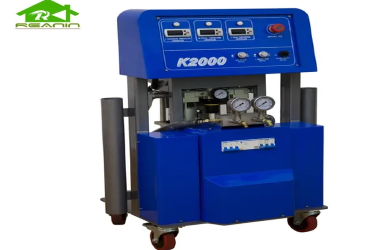
Regular maintenance is essential for keeping your Polyurethane Foam Spray Machine running efficiently and ensuring optimal performance throughout its lifespan. Just like any other piece of heavy machinery, consistent upkeep helps prevent breakdowns, reduce downtime, and ensure that your equipment operates at peak efficiency. Proper maintenance not only improves the machine’s performance but also enhances the quality of the foam applied, ensuring better insulation and fewer issues during your projects.
Over time, filters can become clogged with foam residue, reducing airflow and impacting the machine's performance. Regularly cleaning or replacing the filters ensures that air and material flow smoothly, preventing issues such as inconsistent foam application or machine overheating.
Hoses can wear out or become damaged, leading to leaks and decreased efficiency. Inspect the hoses regularly for cracks, blockages, or signs of wear, and replace them when necessary. Ensuring that all connections are secure will help prevent air or material leakage and ensure the machine operates smoothly.
The spray gun is a critical component of the machine. Over time, nozzles and tips can become clogged or worn, leading to uneven spray patterns. Regularly check and clean the spray gun to ensure it functions correctly. Replace any damaged or worn components to maintain consistent foam application.
Recommendation: Schedule routine maintenance checks to identify and address potential issues before they cause major breakdowns. This includes cleaning, inspecting, and replacing worn parts as needed. By performing regular maintenance, you’ll reduce the risk of unexpected repairs, improve foam quality, and extend the lifespan of your Polyurethane Foam Spray Machine, ensuring smooth and efficient operation for every project.
The environmental conditions in which you operate your Polyurethane Foam Spray Machine play a crucial role in the quality of the foam produced. Factors like temperature and humidity can significantly affect the curing time, foam consistency, and overall performance. Understanding and controlling these conditions is essential for achieving the best results.
Temperature directly influences the reaction rate of the Polyurethane components. If the temperature is too high or too low, it can cause the foam to cure too quickly or too slowly, resulting in poor adhesion, inconsistent foam texture, and weak insulation. Foam sprayed in colder environments may be too stiff and take longer to cure, while foam sprayed in hot conditions may cure too rapidly, leading to improper expansion and a brittle surface.
High humidity can introduce excess moisture into the foam, affecting its curing process and potentially leading to soft spots, bubbles, or uneven textures. In humid conditions, the foam may not set correctly, reducing its insulating properties and compromising the integrity of the final product. On the other hand, very low humidity can cause the foam to cure too quickly and result in uneven application or reduced foam density.
For the best results, spray in a controlled environment where the temperature is between 60°F and 85°F (15°C to 29°C) and humidity is between 30% and 60%. These conditions provide an optimal curing environment, ensuring the foam cures evenly, adheres properly, and performs as expected.
Recommendation: Avoid spraying in extremely high or low temperatures and high humidity environments to prevent inconsistencies in foam quality. When spraying indoors, ensure there is adequate ventilation to allow proper air circulation and avoid the buildup of fumes. By controlling environmental conditions, you’ll ensure consistent, high-quality foam with reliable performance and improved insulation.
A: Perform a test spray on a small surface. If the foam is uniform, consistent, and adheres well, your machine is properly calibrated. Adjust the settings if you notice any inconsistencies.
A: Yes, high humidity can interfere with the curing process, resulting in uneven foam or longer curing times. Aim to spray in a well-ventilated area with moderate temperature and humidity levels.
A: Clean the spray gun and hoses after each use to prevent foam buildup and ensure smooth operation. Regular cleaning also helps extend the lifespan of your equipment.
A: Check for clogs in the spray gun, verify the mixing ratio, and ensure the pressure is set correctly. Clean the spray gun and adjust the settings as needed to restore a consistent spray pattern.
Following the tips for efficient use of your Polyurethane Foam Spray Machine is essential for maximizing machine performance, minimizing material wastage, and achieving high-quality foam results. By properly calibrating the machine, maintaining a consistent application speed, using high-quality materials, performing regular maintenance, and ensuring optimal environmental conditions, you can significantly improve both the efficiency and the longevity of your equipment. Regularly monitoring your machine and materials helps to prevent potential issues, reduce operational costs, and ensure consistent, top-notch foam application throughout your projects. By adhering to these practices, you’ll not only enhance foam quality but also achieve long-term success and cost-effectiveness, making your investment in the Polyurethane Foam Spray Machine more rewarding.


