
Views: 0 Author: Site Editor Publish Time: 2025-12-17 Origin: Site


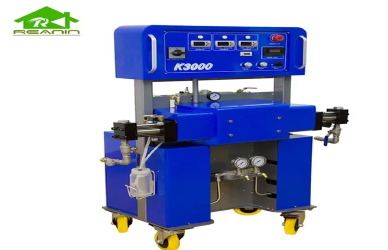
A Polyurethane Foam Spray Machine is a highly versatile and essential tool in various industries, primarily used for the application of polyurethane foam in insulation, waterproofing, and surface protection. This machine is widely utilized in construction, automotive, and manufacturing sectors to create a durable and efficient insulating layer on surfaces such as roofs, walls, pipes, and tanks. The foam it produces is lightweight, energy-efficient, and provides excellent thermal resistance, making it a go-to solution for both residential and industrial projects.
Proper installation and calibration of the Polyurethane Foam Spray Machine are crucial to ensure it operates at peak performance and delivers consistent, high-quality results. Incorrect installation or improper calibration can lead to inefficient operation, subpar foam quality, and potential damage to the machine. By following the correct installation procedures and regularly calibrating the machine, users can ensure optimal functionality, minimize downtime, and extend the lifespan of the equipment, making it an essential part of any long-term investment in spray foam applications.
Before starting the installation of your Polyurethane Foam Spray Machine, ensure that you have everything you need. Verify that all components and accessories are present, such as the spray gun, hoses, power cables, air supply fittings, and other necessary attachments. Additionally, gather the required tools and safety equipment, including protective goggles, gloves, and appropriate clothing to ensure a safe installation process.
Selecting the ideal location for your Polyurethane Foam Spray Machine is crucial for both efficiency and safety. The installation site should meet the following criteria:
Well-ventilated: Since foam spraying involves the release of chemicals, a well-ventilated area is essential to avoid the buildup of fumes and ensure proper airflow.
Stable Surface: Ensure the machine is placed on a stable, level surface to prevent tipping or vibration during operation. A solid concrete floor or sturdy workbench is ideal.
Close to Power and Air Supply: The location should be within easy reach of a power source (220V/380V, depending on your machine’s specifications) and compressed air supply. This will prevent the need for long cables or hoses, which could pose safety risks.
Now that the machine is in place, it's time to connect the power and air supply:
Power Supply (220V/380V): Ensure the voltage of the power supply matches the machine’s requirements. The machine typically operates on either 220V or 380V power, depending on its size and model. Connect the power cable to the machine’s power input socket, ensuring the connection is secure. For safety, use a circuit breaker to prevent electrical overloads.
Air Supply (Compressed Air): Connect the air supply hose to the machine’s air inlet. Typically, a compressed air system with a pressure between 8-10 bar (116-145 PSI) is required. Ensure that the hose is securely attached and that there are no leaks.
After the power and air supply are connected, move on to assembling the spray gun and hoses:
Spray Gun Connection: Attach the spray gun to the designated port on the machine. Depending on your model, the spray gun may require a specific fitting. Make sure that the gun is securely connected to avoid any leaks during operation.
Hoses Connection: Attach the hoses to both the spray gun and the machine. Ensure the hoses are tightly secured using hose clamps or fasteners to prevent any disconnections or leaks. Check that the hose connections are strong and won’t loosen during use.
Before powering on the machine, double-check that all connections are correctly made:
Tighten Screws and Joints: Carefully inspect all screws, fasteners, and joints on the machine, spray gun, and hoses. Ensure they are tightly fastened to avoid air or chemical leaks that could impact the machine’s performance.
Test Connections: Once the machine is connected to both power and air supply, conduct a brief inspection to ensure that there are no loose connections or leaks. This will prevent malfunctions and ensure smooth operation once the machine is in use.
Proper calibration of your Polyurethane Foam Spray Machine ensures consistent foam quality and efficiency. Follow these steps to calibrate your machine effectively:
The correct mix ratio of Polyurethane A and Polyurethane B is crucial for foam quality.
Set the Correct Ratio: Ensure the machine’s settings are adjusted to the manufacturer-recommended ratio, typically 1:1 or 2:1.
Verify the Mix: Check the mix is accurate to avoid weak or uneven foam.
Temperature affects foam quality and curing time.
Set the Ideal Temperature: Set the temperature between 50°C and 60°C (122°F to 140°F) for both components to ensure proper foam formation.
Before full-scale application, perform a small test.
Conduct a Test Spray: Apply foam to a small surface to check consistency, texture, and flow.
Evaluate the Quality: Adjust settings if foam is too thick or too runny.
Proper pressure and flow ensure even foam application.
Adjust Pressure: Set the pressure around 1000–1200 PSI, according to the manufacturer’s guidelines.
Check Flow Rate: Ensure the flow rate matches your project needs for consistent application.
Possible causes: Power supply not connected, insufficient air supply, or a control panel fault.
Solution: Confirm the power input matches the machine requirement and all cables are firmly connected. Verify the compressed air line is connected and has stable pressure. If it still won’t start, inspect fuses/breakers and check the control panel for alarms or error codes.
Possible causes: Incorrect A/B mixing ratio, clogged spray gun/nozzle, or improper spray pressure.
Solution: Recheck and correct the A/B ratio settings, then clean the spray gun and nozzle. Adjust pressure to the recommended range and run a short test spray to confirm the pattern is even.
Possible causes: Blocked hoses, pump wear/failure, or loose machine components.
Solution: Inspect hoses for kinks or blockages and clean/replace if needed. Check the pump condition and listen for abnormal vibration. Tighten fasteners and ensure the machine is placed on a stable, level surface.
Possible causes: Incorrect temperature settings, low-quality or incompatible materials, or high humidity on site.
Solution: Set material/heater temperatures to the recommended range and allow the system to fully preheat. Use qualified materials and confirm they are within shelf life. Avoid spraying in high-humidity conditions or improve site ventilation/dehumidification.
To keep your Polyurethane Foam Spray Machine performing at its best, regular maintenance is essential. Follow these tips to ensure smooth and efficient operation:
Over time, spray gun nozzles, tips, and filters can wear out or clog, affecting foam quality. Regularly inspect these parts and replace them when necessary to maintain consistent spray patterns and prevent blockages.
Dirt, chemical buildup, or moisture can clog the liquid and air lines, affecting performance. Periodically clean the lines to ensure smooth material flow and prevent obstructions. Be sure to flush out any leftover foam or residue after each use.
Loose or damaged electrical connections can cause intermittent operation or machine failure. Check all wires and connectors for signs of wear or corrosion. If your machine has a battery, inspect it regularly for charge and overall condition to ensure reliable power supply.
A: Ensure the power plug is properly inserted, the power switch is turned on, and the voltage matches the machine’s requirements. Additionally, check the power cable for any visible damage.
A: Refer to the machine's manual to adjust the flow rates of component A and B. The machine will typically have a ratio control that ensures both chemicals are mixed correctly for optimal foam performance.
A: Typically, the spray temperature should be set between 50-60°C (122-140°F) to ensure optimal foam consistency and quality.
A: Inconsistent foam quality can be due to incorrect mixing ratios, clogged spray guns, or incorrect pressure settings. Clean the spray gun, check the mixing ratio, and adjust the pressure for uniform spraying.
Proper installation and calibration are crucial to ensuring that your Polyurethane Foam Spray Machine operates efficiently and effectively over time. A well-installed machine, with correct settings for power, air supply, mixing ratios, temperature, and pressure, will not only enhance the quality of the foam produced but also extend the lifespan of the equipment. Regular calibration ensures consistent performance, reduces the risk of operational issues, and helps maintain high-quality results in every application. By following the recommended installation and calibration procedures, you can maximize the performance of your machine, avoid costly repairs, and achieve optimal results for your projects in the long run.


