
Views: 0 Author: Site Editor Publish Time: 2026-07-26 Origin: Site


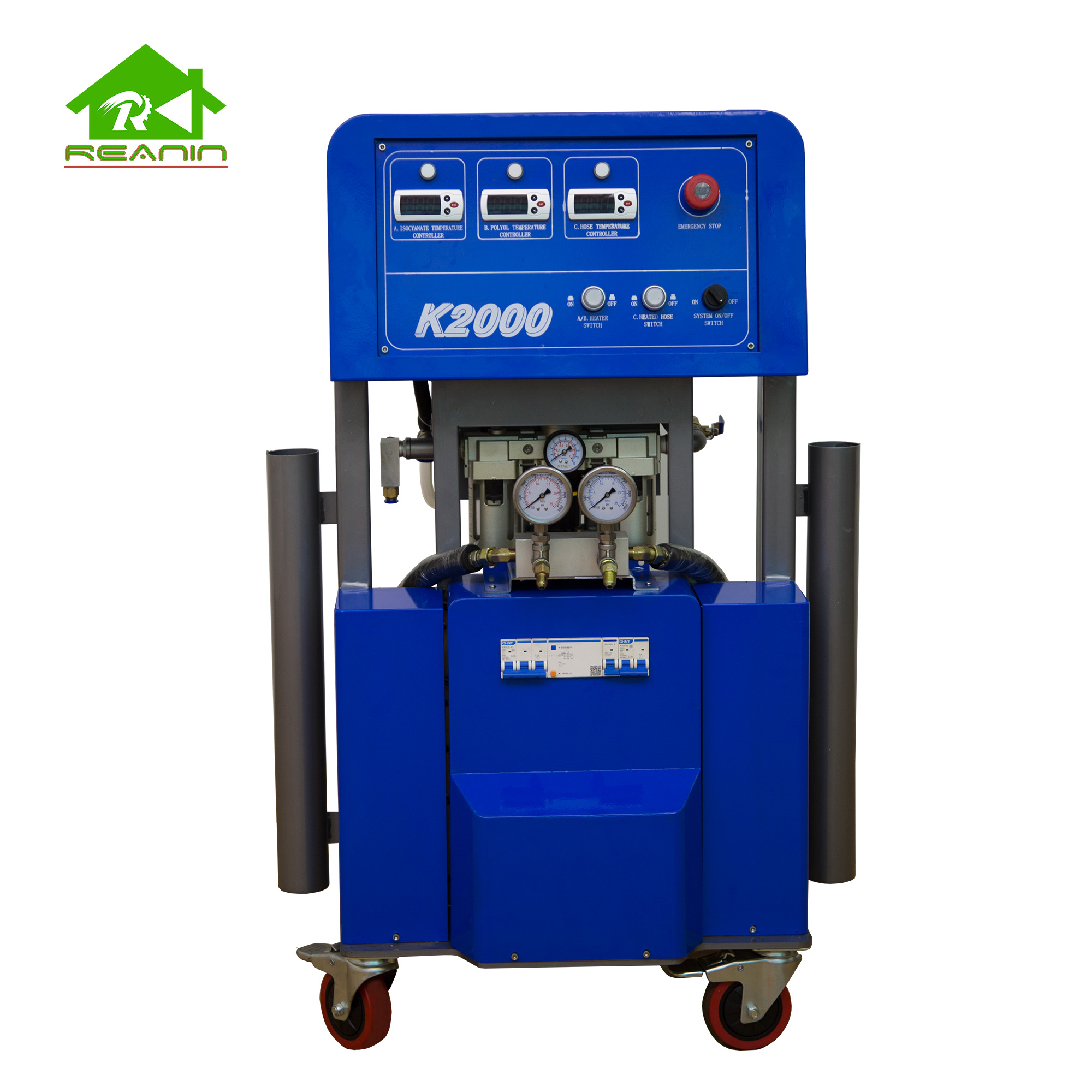
Achieving exact volumetric or weight-based ratios in two-component polyurethane systems dictates the success or failure of the entire application. Even minor ratio deviations compromise the chemical reaction, leading to structural failures, severe shrinkage, or uncured material that requires complete removal. Understanding how a Polyurethane Foam Spray Machine meters these two materials is the baseline for maintaining product integrity on the job site.
Relying on sub-optimal metering technology introduces massive operational risks. Material waste, costly rework, equipment downtime due to cross-contamination, and inconsistent product quality plague contractors who ignore equipment mechanics. You need reliable proportioning systems to ensure consistent output and protect your margins.
To make an informed equipment purchasing decision, you must understand internal metering mechanics. This includes exactly how a machine feeds, meters, doses, mixes, and dispenses polyol and isocyanate. Mastering these fluid dynamics ensures you select the right hardware for your specific project demands.
Precision is Non-Negotiable: The core function of any industrial polyurethane dispensing system is maintaining a strict stoichiometric ratio (typically 1:1, but variable based on formulation) under fluctuating environmental conditions.
Pump and Dosing Technology Dictates Application: The choice between gear pumps, high-pressure axial piston pumps, and frequency-controlled dosing units fundamentally impacts the machine's ability to handle varying viscosities and output volumes.
Valving and Isolation Prevent Curing: High-performance 2K dispensing valves must keep the base (polyol) and catalyst (isocyanate) strictly isolated until the exact millisecond they enter the mixing zone to prevent system-wide crystallization.
Application-Specific Selection: Evaluating equipment requires matching the metering technology to the specific end-use, whether for a portable PU foam injection machine or a heavy-duty construction polyurethane injection machine.
Successful metering requires continuous flow without cavitation, exact ratio maintenance, temperature stability, and precise dosing. When you hit the trigger, the machine must deliver a perfectly balanced chemical stream. Achieving these criteria ensures the final polyurethane product meets the exact performance specifications outlined by the chemical manufacturer.
The "A" side consists of Isocyanate, while the "B" side contains the Polyol resin blend. These components possess distinct physical properties that you must manage carefully during the metering process. Isocyanate is highly reactive to moisture and typically has a thinner consistency, whereas the polyol side contains blowing agents, catalysts, and fire retardants, often making it thicker and more prone to separation if left unagitated.
Metering requirements shift significantly depending on the application. Handling light, blown foams requires different pressure and heat parameters than processing highly viscous polyurethane elastomers and casting resins. Differing viscosities and specific gravities complicate the metering process, necessitating robust equipment design that can push both fluids at identical rates despite their physical differences.
Chemical Component | Common Characteristics | Handling Requirements | Metering Challenges |
|---|---|---|---|
A-Side (Isocyanate) | Moisture sensitive, lower viscosity, crystallizes easily. | Requires desiccant breathers, sealed environments, and consistent heat. | Pump seal wear from crystallized particles; cavitation if feed pressure drops. |
B-Side (Polyol Resin) | Higher viscosity, contains suspended solids/blowing agents. | Requires drum agitation, recirculation, and higher pumping force. | Viscosity spikes in cold weather; separation of blend components. |
The fluid path from the drum to the substrate follows a strict sequence. Any disruption in this flow results in off-ratio foam.
Feed Stage: Transfer pumps move materials from day tanks, pressurized vessels, or 55-gallon drums to the main proportioning pumps. This stage must maintain a positive feed pressure to prevent the main pumps from starving and cavitating.
Meter and Dose Stage: The proportioner mechanically and electronically measures and regulates exact volumes of A and B chemicals simultaneously. This is the heart of the machine, where drive motors and pumps work in tandem to guarantee the 1:1 ratio.
Mix Stage: The isolated chemicals combine immediately prior to application inside a specialized manifold or gun block. The mixing must be violent and complete within a fraction of a second.
Dispense Stage: The system delivers the mixed polyurethane via a spray gun, injection nozzle, or casting head onto the substrate or into the cavity.
Different mechanical and automated systems drive, measure, and dose material flow. Comparing these approaches helps you determine the best fit for your specific field applications, as a rig designed for open-cell insulation will struggle with high-density concrete lifting foams.
High-pressure axial piston pumps utilize positive displacement mechanics in high-pressure environments. As the piston retracts, it pulls a specific volume of fluid into the chamber; as it extends, it pushes that exact volume out. They are well-suited for high-volume spray foam and rapid curing applications, providing the consistent high pressure (often exceeding 2000 PSI) required for impingement mixing at the gun.
These pumps are rugged and handle the aggressive nature of daily spray operations well. However, they can introduce slight pulsations into the fluid stream at the changeover point of the pump stroke. Advanced machines use specialized surge control mechanisms to smooth out this pressure drop, ensuring the spray pattern remains consistent.
Gear pumps provide continuous, pulse-free metering. Fluid is carried between the teeth of two meshing gears and the outer casing. They excel in handling highly viscous materials, abrasive fillers, or elastomer casting where even minor pulsation can ruin the physical properties and surface finish of the final product.
While gear pumps offer incredible precision for slow-pour or factory-setting applications, they are generally not used for high-pressure field spray applications due to their pressure limitations and susceptibility to wear from abrasive chemical blends.
The power source driving the proportioning pumps dictates the machine's consistency under load.
Pneumatic Drives: Air-driven systems offer a lower initial cost and are relatively simple to maintain. However, they are highly susceptible to pressure fluctuations. If your air compressor lags, your fluid pressure drops, leading to poor mixing and off-ratio foam.
Hydraulic Drives: Hydraulic systems provide highly consistent power delivery. They do not suffer from the compressibility issues of air, making them robust and suitable for heavy-duty applications where you need relentless, stall-free performance.
Electric and Frequency-Controlled Dosing: Electric systems offer maximum precision. They allow for real-time speed adjustments via AC motors and are highly energy-efficient. Frequency-controlled drives can adjust the stroke rate instantly based on sensor feedback, though they come with a higher upfront cost and require more sophisticated electrical troubleshooting.
Open-loop systems rely on fixed mechanical linkages, like a single motor driving a chain connected to two identical pumps. They assume that if the motor turns, both pumps are moving equal volumes. If a pump loses prime or a seal blows, the machine doesn't know, and you spray bad foam.
Closed-loop systems utilize automated PLC controllers, high-resolution flow meters, and pressure transducers. These sensors monitor the actual fluid leaving the machine. If the A-side pressure drops, the system automatically adjusts pump speeds in real-time to correct the ratio drift or shuts the system down entirely before you waste material.
Mixing chamber design and valve seating significantly impact material yield, cross-talk, and your daily maintenance requirements. Proper isolation is the only thing keeping your hoses from turning into solid plastic.
The 2K dispensing valve physically isolates the polyol and isocyanate inside separate passages right up to the mixing chamber. "Snuff-back" or clean-off seating mechanisms pull a tiny amount of material back into the valve when you release the trigger. This prevents material crossover inside the valve body, ensuring components only mix when you intentionally pull the trigger.
If these side seals or check valves fail, isocyanate will bleed into the polyol port, curing inside the gun block. This requires a complete teardown and rebuild of the fluid manifold, costing you hours of downtime.
In field spray applications, materials are forced through extremely small orifices at high pressure (1000-3000 PSI). The two streams collide inside the mixing chamber, atomizing and mixing violently before exiting the tip. Solvent-free, mechanical purging is a massive benefit here. When you release the trigger, a purge rod or a blast of high-pressure air clears the remaining mixed material from the chamber, preparing it for the next shot without requiring chemical flushes.
Low-pressure injection often folds materials through a disposable static plastic mixer attached to the end of the gun. The internal helical structure repeatedly divides and recombines the fluid stream. Dynamic mixing heads use a motorized agitator inside the chamber for even more aggressive blending.
These systems involve ongoing consumable costs, as the static mixers must be thrown away if the material cures inside them. Dynamic heads often require automated solvent-flushing cycles to keep the agitator clean, introducing specific waste management requirements for the flushed solvents.
Aligning machine specifications with your specific job site requirements ensures long-term scalability. A thorough evaluation of your primary scope of work is necessary before investing in a polyurethane spray and injection machine.
For concrete lifting, slab jacking, and structural crack repair, precise pressure controls are vital. You are pumping high-density geotechnical foams into confined spaces. A construction polyurethane injection machine must have the torque to push heavy materials and the control to stop instantly. Over-pressurizing a void can cause substrate blowout, lifting a concrete slab too far or damaging surrounding structures.
When focusing on cavity filling, marine buoyancy, and commercial insulation, a closed cell foam injection machine requires specific heating features. Closed-cell foam relies heavily on exact temperature parameters to achieve its rated expansion and density. Temperature conditioning capabilities, including high-wattage primary heaters and fully heated hose lengths, are critical for maximizing your yield and ensuring the foam cures with the correct R-value.
Balancing mobility against maximum output capacity involves trade-offs. A portable PU foam injection machine is ideal for touch-ups, residential retrofits, or hard-to-reach commercial zones where dragging 300 feet of hose isn't feasible. However, these units typically have smaller heaters and lower output rates (gallons per minute), meaning you cannot spray large areas as quickly as you could with a trailer-mounted hydraulic proportioner.
Selecting a hybrid machine capable of switching between high-pressure impingement spraying and low-pressure pour/injection modes offers significant versatility. This allows a single crew to spray insulation on walls in the morning and inject slow-rise foam into block cavities in the afternoon, maximizing equipment utilization.
Operating 2K metering equipment involves daily implementation risks. Understanding how to prevent catastrophic downtime keeps your crew spraying instead of wrenching on broken pumps.
Isocyanate exposure to atmospheric moisture leads to urea crystallization. These hard crystals act like sandpaper, destroying pump shafts, throat seals, and packings. Mitigation strategies are mandatory. You must use desiccant breathers on all A-side drums to strip moisture from the incoming air. Nitrogen purging of feed tanks provides an inert blanket over the chemical. Routine maintenance of the pump's lubrication section (using a specialized ISO-pump lube) prevents crystallized material from dragging through the seals.
Temperature fluctuations alter material viscosity, leading to pressure imbalances and off-ratio metering even in mechanically sound pumps. If the B-side is cold and thick, the pump struggles to fill, causing cavitation and a pressure drop. Utilizing robust primary heaters, heated hose lengths, and active recirculation systems helps maintain the required Delta T (temperature change) from the drum to the gun, ensuring both chemicals remain at the optimal viscosity for precise metering.
Maintenance Task | Frequency | Purpose |
|---|---|---|
Check/Replace Desiccant Breathers | Weekly | Prevent moisture from crystallizing the Isocyanate. |
Clean Gun Manifold and Side Seals | Daily | Ensure proper fluid isolation and prevent crossover. |
Inspect Y-Strainers | Bi-Weekly | Remove debris before it enters the proportioning pumps. |
Flush Lube Cup / Wet Cup | Daily | Keep pump shafts clean and lubricated to protect throat seals. |
Audit your current material technical data sheets (TDS) to identify the exact viscosity, temperature, and ratio requirements for your most commonly used chemicals.
Evaluate your job site power availability to determine if you can support the electrical draw of high-wattage primary heaters and heated hoses.
Consult with an equipment engineer to request a customized specification sheet matching a proportioner's drive system to your required output volume.
Implement a strict daily maintenance checklist focusing on moisture mitigation and gun block isolation to prevent premature equipment failure.
A: Positive displacement pumps, such as axial piston or gear pumps, are linked mechanically or controlled electronically via frequency drives to ensure equal volumes of A and B chemicals are drawn and dispensed simultaneously under pressure.
A: The difference lies in the dispense mechanisms. Atomizing spray guns use high-pressure impingement for surface coverage, while injection nozzles use lower pressure to pump material into cavities or under concrete slabs for lifting.
A: Common culprits include clogged Y-strainers starving the pumps, crystallized isocyanate damaging seals, or unequal chemical temperatures altering fluid viscosity and causing pressure imbalances.
A: Portable units lack the high output volume and extensive hose heating capacity required for large-scale commercial roofing, making them better suited for small touch-ups or tight residential spaces.
A: Gear pumps offer highly precise, continuous, pulse-free flow ideal for handling varying viscosities and slow-pour injection, whereas piston pumps are favored for high-pressure atomization.
A: The internal helical structure of the disposable plastic tube repeatedly divides and recombines the two materials before they exit the tip, relying on the 2K dispensing valve to keep materials separate up to the entry point.


