
Views: 0 Author: Site Editor Publish Time: 2025-12-29 Origin: Site


Polyurea Spray Machines have gained significant popularity in industrial coatings due to their fast curing time, exceptional durability, and chemical resistance. These machines provide a reliable solution for a wide range of applications, including industrial floors, waterproofing, tank linings, and corrosion protection. Polyurea coatings are particularly valued for their ability to cure rapidly, forming seamless, flexible, and robust surfaces that are resistant to harsh environments and heavy use.
While Polyurea is highly effective, it's important to consider other common coating technologies such as epoxy, urethane, acrylics, and polyurethane, which each have unique benefits. Epoxy coatings are known for their strength and adhesion, while polyurethane offers flexibility and abrasion resistance. Acrylics provide UV protection, and urethanes are commonly used for their durability in flexible applications.
The purpose of comparing Polyurea Spray Machines with these other technologies is to help identify which is best suited for specific needs, whether it’s speed of application, environmental resistance, or overall performance. By understanding the advantages and limitations of each, you can make an informed decision for your coating projects.
Polyurea is a high-performance elastomeric coating formed by the chemical reaction between isocyanates and resins. This results in a fast-curing material that provides a seamless, durable, and flexible surface. Applied via spray, Polyurea coatings offer flexibility, abrasion resistance, and excellent adhesion, making them ideal for demanding environments.
Fast Curing Time: Polyurea cures quickly, typically within seconds to minutes, allowing for fast turnaround and minimal downtime. This is particularly valuable in urgent applications.
Exceptional Durability: Polyurea is highly durable, offering resistance to impact, abrasion, and weathering, making it ideal for harsh environments.
Chemical Resistance: Polyurea resists a wide range of chemicals, including acids, solvents, and oils, providing effective protection in industrial and chemical environments.
Polyurea is used across various industries:
Industrial: Ideal for protective coatings on floors, storage tanks, and pipes, especially in high-traffic or harsh environments.
Automotive: Used for truck bed liners, underbody coatings, and chassis protection, where durability and resistance to corrosion are crucial.
Construction: Common in roof coatings, waterproofing, and crack repairs for buildings and infrastructure due to its fast curing time and long-lasting protection.
Polyurea’s quick curing, durability, and chemical resistance make it the ideal solution for surfaces needing rapid application and long-lasting protection. Its ability to form a seamless, flexible, and durable layer makes it a top choice for industrial, automotive, and construction applications.
Overview:
Epoxy coatings are a popular choice for providing strong, durable finishes, typically formed by combining an epoxy resin with a hardener. They are widely used in applications requiring excellent adhesion, chemical resistance, and impact resistance, such as on concrete floors, metal surfaces, and industrial equipment.
Advantages vs. Polyurea:
Advantages:
High strength and adhesion make epoxy ideal for heavy-duty industrial environments.
Resistant to chemicals and moisture, offering long-lasting protection.
Disadvantages:
Longer curing times compared to Polyurea (up to several hours or days), causing delays in projects.
Less flexible than Polyurea, which may lead to cracking under certain stress conditions.
Characteristics:
Polyurethane coatings are highly flexible, abrasion-resistant, and UV stable, making them excellent for protective coatings in outdoor and high-traffic areas. They provide good chemical resistance and are often used on automotive parts, wooden floors, and roofs.
When Polyurethane May Be Preferred:
Outdoor applications where UV stability and flexibility are critical.
High-traffic surfaces where abrasion resistance is essential.
Polyurethane is often preferred when flexibility is a higher priority than fast curing time, making it more suitable for surfaces prone to movement.
Explanation:
Acrylic coatings are commonly used for exterior protection and decorative finishes, especially in outdoor environments. These coatings offer UV resistance, color retention, and fast drying times. They are widely used for roof coatings, parking decks, and building facades.
Performance vs. Polyurea:
Advantages:
Excellent UV resistance, making it ideal for outdoor applications exposed to sunlight.
Fast drying times for quicker project completion.
Disadvantages:
Lower durability compared to Polyurea, especially in high-traffic or abrasive environments.
Less chemical resistance than Polyurea, making it unsuitable for harsh industrial applications.
Role in Industries:
Urethane coatings provide excellent flexibility, chemical resistance, and abrasion resistance, making them suitable for industries such as automotive, industrial, and construction. They are often applied to vehicles, machinery, and industrial floors.
Comparison to Polyurea:
Advantages:
Urethane coatings offer long-term protection and are highly flexible, making them ideal for surfaces that experience movement or vibration.
Disadvantages:
Slower application speed compared to Polyurea.
Longer curing times, which can delay projects compared to the fast-curing benefits of Polyurea.
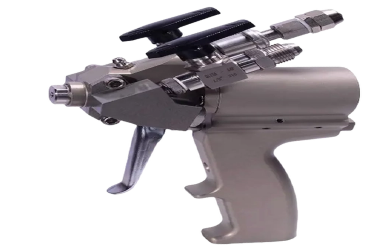
Polyurea: Offers exceptional durability, abrasion resistance, and chemical resistance, making it ideal for harsh environments that experience high wear and tear.
Epoxy: Known for strong adhesion and chemical resistance, but less flexible, making it prone to cracking under stress.
Urethane: Flexible and resistant to abrasion, but lacks the same chemical resistance as Polyurea.
Polyurethane: Offers good abrasion resistance, but Polyurea outperforms it in extreme conditions and impact resistance.
Polyurea: Cures in seconds to minutes, providing quick turnaround and minimal downtime.
Epoxy, Urethane, Polyurethane: Typically takes hours to days to fully cure, leading to longer wait times and potential delays in project completion.
Polyurea: Excellent UV resistance, waterproofing, and chemical exposure resistance, making it ideal for outdoor and harsh industrial environments.
Epoxy: Performs well in chemical resistance but breaks down under UV exposure.
Urethane: Highly flexible and resistant to wear but not as effective against UV exposure as Polyurea.
Polyurethane: Great for abrasion resistance but susceptible to UV degradation over time.
Polyurea: Higher initial cost due to the equipment and materials, but offers fast curing and reduces overall labor costs.
Epoxy: Cheaper but requires longer curing and more surface preparation, leading to higher labor costs.
Urethane and Polyurethane: Generally similar in cost to epoxy, with easier application but longer curing times.
Selecting the right coating technology is crucial for ensuring durability, efficient application, and cost-effectiveness. Factors such as application environment, required durability, and project budget all play a role in determining the best coating option.
Application Environment:
Consider exposure to temperature fluctuations, moisture, UV light, and chemicals. Polyurea is ideal for harsh environments with UV and moisture exposure, while epoxy coatings are better for indoor applications.
Required Durability:
Choose based on the needed abrasion resistance, flexibility, and chemical resistance. Polyurea is great for high-stress, impact-resistant applications, while polyurethane is better for flexibility and abrasion resistance in less demanding environments.
Project Budget:
Polyurea Spray Machines may have a higher initial cost but save on labor and downtime due to fast curing. Epoxy or urethane coatings are more cost-effective upfront but require longer curing times.
Fast Curing Needs: Perfect for rapid turnaround projects like flooring, roofing, or waterproofing due to its quick curing time.
Harsh Environments: Best for chemical resistance, UV stability, and abrasion resistance in industrial, construction, and marine applications.
Long-Term Durability: Ideal for high-wear areas that require seamless, flexible protection.
Epoxy: Best for low-traffic indoor applications needing strong adhesion without the need for quick curing.
Polyurethane: Great for flexibility and abrasion resistance in outdoor settings where chemical exposure is low.
Acrylic: Ideal for decorative or light-duty exterior applications, offering UV resistance and fast drying times.
A: Polyurea works well on a variety of surfaces, including concrete, metal, wood, and plastic. However, surface preparation is crucial to ensure proper adhesion, especially for metals or smooth surfaces.
A: Polyurea can have a higher upfront cost due to the equipment and materials required, but its fast curing time, durability, and reduced labor costs make it more cost-effective in the long run for many applications.
A: Yes, Polyurea coatings are relatively easy to repair or touch up. Since the material cures quickly, minor fixes can be applied promptly without significant downtime, unlike some other coatings that require longer curing periods.
A: Polyurea is highly resistant to temperature fluctuations, making it ideal for environments with extreme heat or cold. It remains flexible and durable, unlike some other coatings that can crack or degrade under such conditions.
In comparing Polyurea Spray Machines with other coating technologies, Polyurea stands out for its fast curing time, exceptional durability, and chemical resistance, making it the ideal choice for high-demand applications requiring quick turnaround and long-lasting protection. While epoxy coatings offer strong adhesion and chemical resistance, they require longer curing times and are less flexible than Polyurea. Polyurethane coatings provide good flexibility and abrasion resistance but fall short in fast curing and UV stability compared to Polyurea. Acrylic coatings, though ideal for decorative and light-duty outdoor applications, lack the durability and chemical resistance of Polyurea. When selecting the best coating technology, consider factors like environmental conditions, required durability, project budget, and application speed. Polyurea is best suited for projects needing rapid application, high flexibility, and resistance to harsh environments, while other technologies may be more suitable for specific needs like cost-efficiency, UV protection, or flexibility. By carefully evaluating these factors, you can make an informed decision that meets both performance and budget requirements.


