
Views: 0 Author: Site Editor Publish Time: 2026-07-17 Origin: Site


The difference between a high-yield, structurally sound foam application and a costly, rejected project rarely comes down to the chemicals alone; it hinges on real-time mechanical control. Fluctuating environmental conditions, varying material viscosities, and human error constantly threaten the integrity of spray foam applications. Without precise, automated control over the mixing and delivery process, contractors face off-ratio foam, equipment damage like cavitation, and severe material waste. Evaluating a commercial-grade system requires understanding exactly how it manipulates the critical variables of the spray process. This guide breaks down the specific parameters a polyurethane foam spray machine controls, how different equipment architectures handle these variables, and what to look for when specifying a machine for high-stakes insulation or coating projects.
Ratio Enforcement: Modern proportioners strictly control the 1:1 chemical mix, utilizing automatic shutdown protocols if pressure imbalances threaten material integrity.
Thermal Management: Integrated primary heaters and heated hoses actively control fluid viscosity, which is non-negotiable for proper impingement mixing.
Dynamic Pressure Regulation: High-pressure systems maintain the kinetic energy required for atomization while preventing proportioner cavitation.
Flow and Pattern Precision: Gun mechanics, mixing chambers, and tip sizes dictate the final spray pattern, directly controlling application thickness and minimizing overspray.
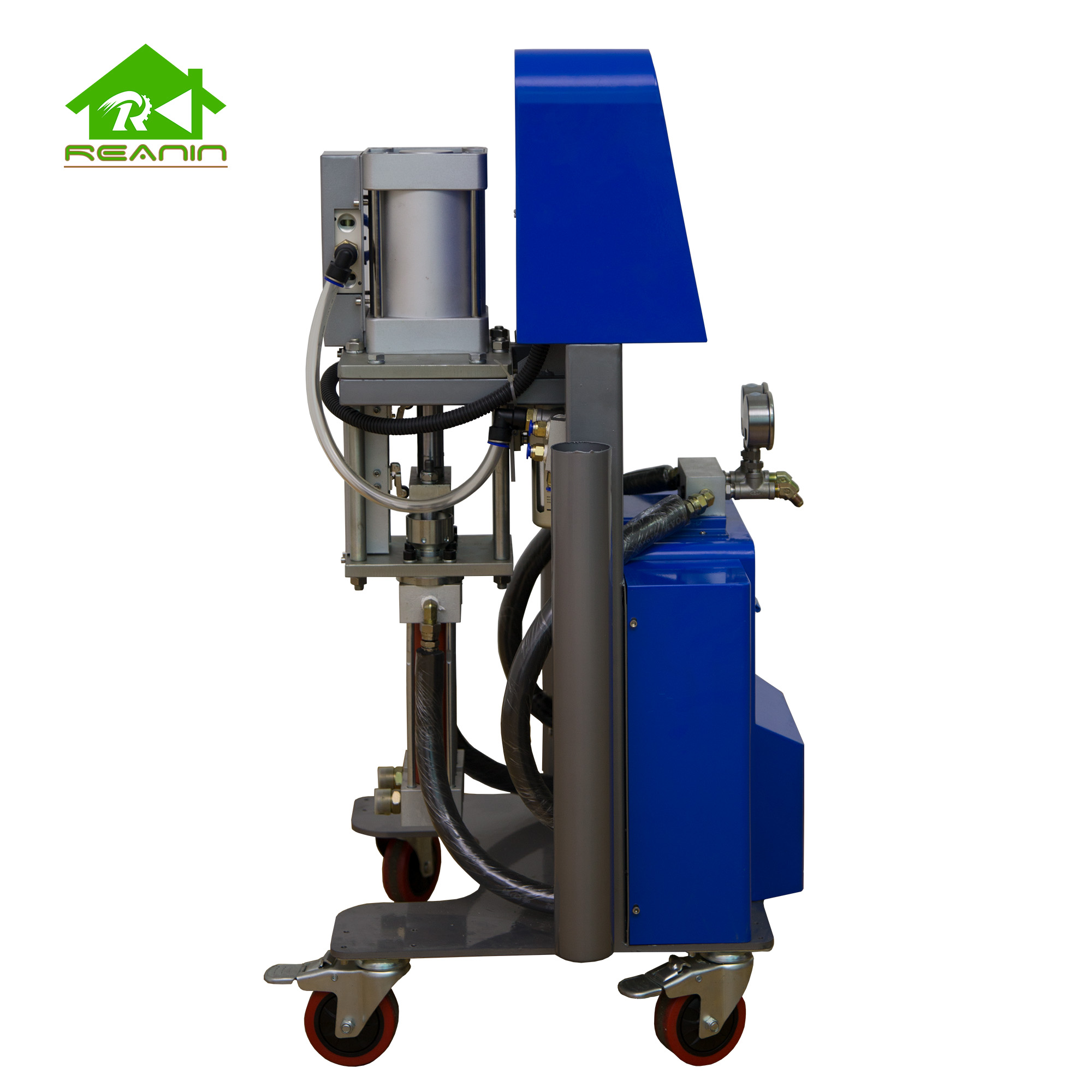
A successful spray application relies on hitting strict performance metrics on the job site. Optimal yield is the primary goal. You want to extract the maximum board feet per drum of chemical. The applied material must exhibit the correct cellular structure. It also needs to achieve strong substrate adhesion to provide long-term insulation and structural benefits. Achieving these criteria requires absolute mechanical consistency. When you pull the trigger, the machine must deliver the exact same fluid dynamics on the first pass as it does on the hundredth pass. Variations in pressure or temperature immediately degrade the physical properties of the applied foam.
Success Metric | Mechanical Requirement | Field Outcome |
|---|---|---|
Optimal Yield | Consistent temperature and pressure | Maximum board feet per drum, lower material costs |
Correct Cell Structure | Precise 1:1 ratio enforcement | High R-value, proper structural rigidity |
Substrate Adhesion | Proper atomization at the gun | No delamination, long-term building envelope integrity |
Failing to control spray parameters carries heavy financial and operational penalties. Poor control leads to material shrinkage and compromised thermal resistance. In severe cases, improper mixing causes exothermic reactions that can ignite fires within wall cavities. Contractors also face the massive labor costs associated with cutting out and removing bad foam, not to mention the wasted chemical materials. A single off-ratio drum set can cost thousands of dollars in lost material and remediation labor. You cannot afford to guess whether your equipment is maintaining the correct parameters.
The proportioner serves a singular, critical function. It transforms two distinct, temperature-sensitive chemicals into a single, stable compound at the exact moment of application. The A-side (Isocyanate) and B-side (Resin) must remain separate until they reach the gun. The machine pressurizes, heats, and pumps these materials simultaneously to guarantee a perfect reaction. It acts as the central nervous system of the entire operation, constantly adjusting to environmental variables to keep the fluid dynamics stable.
Chemical manufacturers formulate standard spray foam systems for a strict 1:1 volumetric ratio. The machine uses a specialized drive system connected to dual proportioning pumps. These pumps ensure equal volume displacement of both the A and B chemicals with every stroke. If one pump delivers even slightly less material, the entire chemical reaction fails. The resulting foam will be either spongy and weak (resin-rich) or brittle and prone to cracking (iso-rich). Mechanical linkages or synchronized electronic drives force the pumps to move in perfect unison.
Professional equipment requires rigorous startup calibration sequences before the trigger is ever pulled. Operators perform stroke tests to verify pump synchronization. You must also balance the fluid inlet pressures from the transfer pumps. These initial checks guarantee ratio accuracy from the very first shot of material.
Verify transfer pump air pressure is set equally for both A and B drums.
Bleed all air from the fluid lines using the machine's recirculation valves.
Bring primary heaters and heated hoses up to the manufacturer's specified setpoint.
Perform a test spray on cardboard to visually inspect the foam's reaction time and cell structure.
Check the machine's digital pressure gauges to ensure dynamic pressure remains balanced during the test spray.
Machines utilize advanced sensor networks to monitor pressure differentials between the two fluid lines continuously. Digital pressure transducers track real-time fluid dynamics on both the A and B sides. Control boards constantly compare these readings against acceptable operational thresholds. Automated safety features trigger immediate system shutdowns if a predefined pressure delta occurs. This shutdown delta typically ranges between 100 and 300 PSI. These protocols physically prevent the operator from spraying off-ratio material onto the substrate. If a blockage occurs in the Y-strainer on the resin side, the pressure on that side will spike. The machine detects this imbalance and cuts power to the pumps instantly.
Cavitation occurs when the proportioning pump is starved of material, creating a void that disrupts the 1:1 ratio. Advanced machines control stroke rates and monitor feed pressures to prevent this destructive phenomenon. Proper drum pump sizing is essential to maintain adequate feed to the proportioner. You must supply enough material to keep the primary pumps fully loaded. Cavitation mitigation needs vary significantly depending on the material. Spraying high-viscosity polyurea coatings demands much stricter feed control than standard closed cell foam formulations. If the transfer pump cannot push the thick material fast enough to fill the proportioner's cylinder, the pump will draw a vacuum, leading to severe off-ratio spraying and potential damage to the pump seals.
Controlling temperature is fundamentally about controlling fluid thickness. Isocyanate and Resin have different natural viscosities at room temperature. Heating the chemicals lowers their viscosity. The machine must apply precise heat to ensure both chemicals enter the mixing chamber at identical, highly fluid states. This balance is critical for proper mixing. If the resin is colder and thicker than the iso, it will resist mixing, leading to a poor chemical reaction and substandard foam yield.
The machine features internal heat blocks designed for rapid thermal transfer. As the chemicals pass through these primary heaters, their temperature elevates instantly. High-wattage heating elements ensure the material reaches the target temperature even at maximum flow rates. This initial heat spike prepares the fluid for the journey through the hose. The design of these heat blocks often involves complex internal fluid pathing to maximize the surface area contact between the chemical and the heating element, ensuring uniform temperature rise without scorching the material.
The heated hose maintains the temperature delta from the machine all the way to the spray gun. It prevents the material from cooling down during transit. Copper heating elements wrap around the internal fluid hoses to provide consistent warmth. Resistance Temperature Detectors (RTDs) sit near the gun whip to measure actual fluid temperature. These sensors provide real-time feedback to the machine's control board. The controller cycles the hose heat on and off to prevent both overheating and material degradation. If you are spraying in freezing conditions, the heated hose works overtime to ensure the material hits the mixing chamber at the exact required temperature, often around 120 to 130 degrees Fahrenheit for standard closed cell foam.
Precise thermal control directly impacts the lifespan of high pressure PU foam equipment. Cold, thick material forces the pumps to work significantly harder. Keeping the material hot and fluid reduces mechanical strain. This ensures the high-pressure pumps operate smoothly and require less frequent maintenance. When fluid viscosity is low, the pump seals experience less friction, and the check valves seat more reliably. This translates directly to fewer breakdowns on the job site and a longer operational life for the proportioner's fluid section.
Spray foam relies on impingement mixing rather than mechanical stirring. The machine controls fluid pressure to force the chemicals to collide inside the gun's tiny mixing chamber. This collision typically requires between 1,000 and 2,000 PSI for standard foam. The high kinetic energy shatters the fluid streams, mixing them instantly before they exit the nozzle. If the pressure is too low, the chemicals simply swirl together rather than atomizing, resulting in a liquid mess rather than expanding foam.
There is a strict inverse relationship between pressure and flow rate. Pushing more material through a specific tip size naturally drops the dynamic pressure. The machine's control board allows operators to dial in the exact kinetic energy needed for specific chemical formulations. You must balance the output volume with the pressure required to maintain proper atomization. If you install a massive spray tip to increase your output speed, you must ensure your proportioner has the mechanical power to maintain the required 1,200 PSI behind that increased flow rate.
Maintaining a consistent minimum pressure is critical during application. If pressure drops below the required threshold, the impingement mix fails. This results in splattering, poor cell structure, and an uneven foam surface. A reliable closed cell foam insulation machine sustains pressure through the entire pump stroke to avoid these defects. Operators monitor the dynamic pressure gauges while spraying. If they see the pressure dropping significantly when they pull the trigger, they know they are outrunning the machine's heating or pumping capacity and must adjust their technique or equipment settings.
High-performance machines adapt their pressure parameters for different materials. Switching from a standard insulation profile to a polyurea elastomeric coating profile requires significant adjustments. Polyurea often demands up to 3,500 PSI for proper atomization. The machine must seamlessly scale its pressure output while maintaining strict ratio control across different material demands. This versatility allows contractors to use a single proportioner for both insulating a building envelope and applying a waterproof polyurea membrane to the foundation.
The spray gun acts as the final control valve in the system. It directs pressurized materials into the mixing head only when the operator pulls the trigger. The internal mixing chamber dictates the volume and velocity of the chemical collision. Guns utilize mechanical rods or high-velocity air-purge systems to clear the chamber immediately after the trigger is released. The size of the mixing chamber directly correlates to the output volume. A smaller chamber restricts flow for detail work, while a larger chamber allows for rapid application on wide-open walls.
The critical timing of valve switching inside the gun prevents catastrophic cross-contamination. If Iso and Resin mix inside the fluid manifolds, the gun will permanently lock up. Different purge systems handle this risk. Air-purge systems blast compressed air through the chamber to clear residual mixed material. Mechanical-purge systems use a physical valving rod to push out the remaining chemical. Solvent-purge systems flush the chamber with a cleaning agent after spraying. Proper maintenance of these purge mechanisms is mandatory. A failing air-purge will leave mixed foam in the chamber, requiring a complete teardown and rebuild of the gun before spraying can resume.
Operators control the physical application pattern by selecting specific spray tips. The tip size directly influences both the fan width and the flow rate. Smaller spray tips reduce flow while maintaining high pressure behind the fluid. This allows for tighter control in complex architectural spaces. It significantly minimizes wasted overspray and improves overall material yield. When spraying between narrow wall studs, a narrow fan tip prevents material from accumulating on the face of the studs, saving time during the trimming process and reducing wasted chemical.
Different machine architectures achieve mechanical control through distinct drive systems. Evaluating these options requires looking at pressure curve flatness, scalability, and specific application needs. The drive system dictates how the machine responds to the dynamic demands of the spray gun.
Equipment Type | Drive Mechanism | Pressure Stability | Ideal Application |
|---|---|---|---|
Pneumatic | Air Motor | Moderate (susceptible to air supply drops) | Entry-level insulation, residential touch-ups |
Hydraulic | Hydraulic Pump | Excellent (relentless, flat pressure curve) | Commercial roofing, continuous high-volume spraying |
Electric | Electric Motor | Very Good (precise electronic control) | Mid-to-large residential, varied daily usage |
A pneumatic polyurethane foaming machine relies on an air motor to drive the proportioning pumps. These units offer a lower initial cost and simpler maintenance routines. They are excellent for entry-level or lower-output applications. However, they are susceptible to pressure fluctuations, known as pressure drop at the stroke change. This occurs if the job site air compressor is undersized. They generally offer less precise stroke control compared to advanced hydraulic or electric drives. If the air compressor cannot keep up with the CFM demand of the proportioner, the fluid pressure will plummet, resulting in poor mixing and bad foam.
Hydraulic systems deliver consistent, relentless pressure control. They experience virtually no pressure drop at the stroke changeover point. This makes them ideal for high-duty cycles and pumping thick, high-viscosity materials over long distances. They represent a higher capital expenditure and require specialized hydraulic maintenance. However, they remain the standard for dedicated, high-volume commercial operations. When you need to push material through 300 feet of heated hose up to a commercial roof, the hydraulic drive provides the brute force necessary to maintain atomization pressure at the gun.
Electric machines utilize advanced motors to drive the pumps. They offer high energy efficiency and highly precise electronic stroke control. Maintenance is generally cleaner and simpler than hydraulic systems. While they perform exceptionally well for most insulation tasks, they may struggle with the absolute highest continuous pressure demands required by heavy-duty industrial coatings. Electric units are highly responsive, adjusting motor torque instantly to maintain consistent fluid pressure as the operator triggers the gun on and off.
Injection applications require a different control focus than spray applications. A polyurethane injection machine prioritizes precise shot-timers and volumetric flow control over high atomization pressure. Pouring foam into cavities or molds demands exact volume delivery to prevent structural blowout. These machines often operate at lower pressures but feature highly calibrated timer systems to dispense exact chemical payloads. If you are injecting foam to lift concrete slabs, you need precise control over the volume of material injected per trigger pull to avoid over-lifting the slab.
Deploying this equipment in the field introduces several operational risks. Sensor failure can lead to off-ratio spraying despite the machine's internal controls. If a pressure transducer clogs with crystallized isocyanate, the machine receives false data and will not trigger a shutdown during an actual pressure imbalance. Poor power supply on job sites is another major threat. Voltage drops disrupt heater performance and cause motor controls to behave erratically. If the generator bogs down, the primary heaters lose wattage, the material cools down, viscosity spikes, and the mix quality degrades instantly.
Protecting your equipment requires strict daily protocols. You must train your crew to understand the mechanical realities of the proportioner.
Establish daily calibration routines and pressure-balance checks before spraying.
Perform dry run tests to ensure pump synchronization.
Specify robust generators that exceed the machine's peak kilowatt draw to prevent voltage drops.
Implement strict maintenance schedules for Y-strainers to prevent fluid blockages.
Rebuild proportioner fluid sections regularly to ensure control mechanisms function accurately.
Flush the iso side with pump lube during extended downtime to prevent crystallization on the pump shafts.
Audit your current chemical manufacturer's technical data sheets to determine the exact temperature and pressure requirements for your materials.
Specify the heating capacity and pressure output of your next proportioner purchase based on those exact figures.
Prioritize machines with robust pressure-imbalance shutdown features to protect your projects from off-ratio foam.
Match the drive system directly to your expected daily output and material viscosity demands.
Establish a strict daily maintenance checklist for your crew to ensure sensors and strainers remain clear.
A: Pressure imbalances typically stem from fluid restrictions. Common causes include blockages in the Y-strainer, cold material causing high viscosity on one side, or a failing transfer pump starving one side of the proportioner. Clogged spray gun chambers can also cause sudden pressure spikes.
A: Closed cell foam requires precise heat to achieve the correct chemical reaction. Proper temperature lowers fluid viscosity for optimal mixing, maximizes material yield, and ensures the blowing agent expands properly to create the rigid cellular structure.
A: Cavitation happens when the proportioning pump pulls in air or a vacuum because it is starved of chemical feed. It is controlled by ensuring transfer pumps provide adequate feed pressure and by heating materials to reduce viscosity, allowing smooth flow into the primary pumps.
A: A significant pressure drop when the pump reverses direction causes a momentary loss of impingement mixing energy. This leads to splattering, off-ratio streaks in the foam, and inconsistent application thickness on the substrate.
A: Smaller spray tips restrict the fluid flow rate while maintaining high back-pressure. This creates a tighter, more controlled spray pattern. It allows the operator to apply material precisely in confined spaces without blasting excess foam onto surrounding surfaces.


