
Views: 0 Author: Site Editor Publish Time: 2026-07-22 Origin: Site


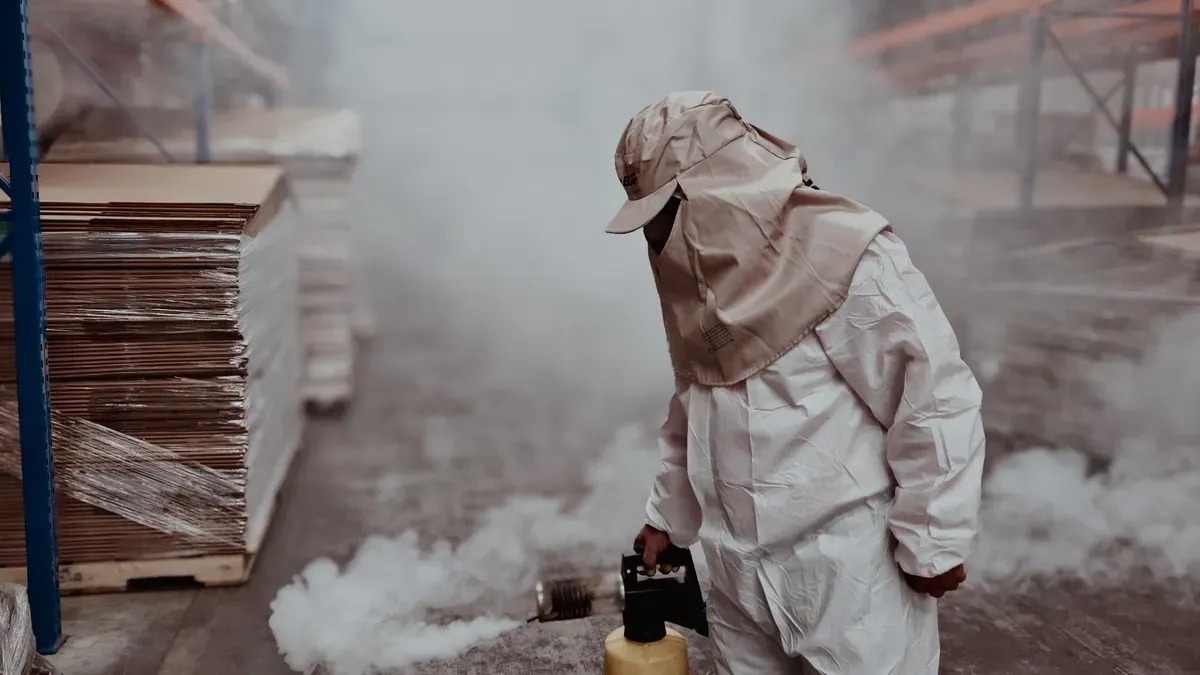
You might ask, "Is polyurethane foam safe?" If you use it the right way and allow it to dry completely, it becomes safe and stable for your home. However, when spraying, there are significant safety concerns. Isocyanates can irritate your skin, eyes, or lungs, and they may also trigger asthma, particularly if you have allergies. Individuals living near foam factories have experienced breathing difficulties and other issues due to chemical vapors. Ensuring good airflow and wearing the appropriate protective gear is essential to keep you safe.
Tip: Always wear the correct equipment and ensure the area has good airflow when using it.
Polyurethane foam is safe after it dries all the way. Make sure it dries before you go back into the room.
Wear the right PPE like gloves, goggles, and respirators. These protect you from dangerous chemicals.
Keep the area well-ventilated when spraying foam. Good airflow lowers the chance of breathing in bad fumes.
Pick spray equipment that fits your project size. High-pressure machines work best for big jobs. Low-pressure machines are good for small jobs.
Follow safety rules from groups like OSHA and the EPA. This helps lower health risks.
Get your work area ready by checking your equipment. Make sure there is enough airflow before you start spraying.
Wait at least 24 hours after spraying before anyone goes back in. Air quality tests can help show if it is safe.
Take care of your spray equipment often. This keeps it working well and safely. It also helps stop accidents.
You might wonder if polyurethane foam is safe at home or work. When you spray it, you need to be careful. Chemicals like isocyanates can bother your skin or make it hard to breathe. After the foam dries, it is more stable and less risky. Scientists say cured foam is usually safe. But sanding or heating it can let out harmful fumes. You should be careful when fixing or changing old foam.
Here is a table that shows what scientists found about cured foam:
Evidence Type | Description |
|---|---|
Cured Foam Safety | Foam is safe after curing, but fixing it can be risky |
Off-Gassing | Some chemicals may still escape; more studies are needed |
Emissions Testing | Air tests help check safety, but results depend on conditions |
Risk Factors | Heating or grinding foam can let out toxins |
Polyurethane foam spray keeps heat in, but you must be safe when using it. You can compare it to other types of insulation. Studies show recycled polyol does not make more harmful fumes. Foams with lots of glycolysate pass fire tests and do not catch fire easily. This makes them good for buildings.
Evidence Type | Findings |
|---|---|
VOC Emission | Recycled polyol does not make more bad fumes |
Flammability | High glycolysate foams pass B2 fire safety tests |
Heat of Combustion | Glycolysate does not make foam easier to burn |
It is important to know how polyurethane foam spray works. The foam forms when two main chemicals mix together. Polyols and isocyanates join to make a strong plastic. Blowing agents like CO2 or pentane make the foam light. Surfactants help keep the foam even and control the bubbles. Catalysts make the foam dry faster.
Polyols and isocyanates join to make urethane links.
Isocyanates start the reaction.
Blowing agents make the foam puff up.
Surfactants keep the foam steady and control bubbles.
Catalysts help the foam dry fast.
When you ask if polyurethane foam is safe, think about how it dries. The foam is stable after drying, but do not heat or sand it. If you need to fix it, be extra careful to avoid breathing in fumes.
You must follow strict rules when using polyurethane foam spray. In the United States, two groups make safety rules. The Consumer Product Safety Commission and the Environmental Protection Agency set the rules. The Consumer Product Safety Act and the Federal Hazardous Substances Act protect people from dangerous chemicals. The EPA uses the Toxic Substances Control Act to watch foam ingredients. In Europe, the REACH rule controls chemical safety.
Region | Regulatory Body | Key Regulations |
|---|---|---|
United States | Consumer Product Safety Commission (CPSC) | Consumer Product Safety Act, Federal Hazardous Substances Act |
Environmental Protection Agency (EPA) | Toxic Substances Control Act (TSCA) | |
Europe | European Union | REACH (Registration, Evaluation, Authorization, and Restriction of Chemicals) |
You also need to know about exposure limits. OSHA sets a limit for methylene diphenyl diisocyanate (MDI) at 0.2 mg/m3. For toluene diisocyanate (TDI), the limit is 0.14 mg/m3. OSHA has a program to control isocyanate exposure at work. You should always check these limits and follow the safety rules.
When you ask if polyurethane foam is safe, you must look at the whole process. Polyurethane foam spray can be safe if you follow the rules and use the right gear. Let the foam dry all the way. Polyurethane spray foam passes fire safety tests and does not make more bad fumes when made with recycled stuff. You can trust the foam if you follow safety steps and respect the rules.
When you use polyurethane foam spray, there are health risks. Uncured foam chemicals can hurt your body fast or slowly. You should learn about these dangers before spraying.
Breathing in fumes from spray foam can cause problems. Your nose, throat, or lungs may feel sore. Some people get headaches, feel dizzy, or feel sick. If you breathe in isocyanates, you might get asthma-like symptoms. Workers who use spray guns often have trouble breathing. Some families in Florida had to leave their homes. Doctors found dangerous gases from foam insulation. The EPA and NIOSH say isocyanates cause work-related asthma.
Breathing irritation can happen after short exposure.
Long exposure may cause lasting breathing problems.
Isocyanates can lead to asthma and make you sensitive.
Touching uncured foam spray can hurt your skin. You might get allergic contact dermatitis or skin sensitization. Some people get skin allergies after touching foam many times. If you do not wear ppe, you could get rashes or other skin issues.
Skin contact can cause allergic reactions.
Touching foam often can cause lasting skin problems.
Workers report skin irritation and sensitization.
You need to keep air moving when mixing or spraying foam. Good ventilation protects you from bad vapors. Set up airflow to get rid of harmful air. Local exhaust systems catch fumes right where they start. Negative pressure stops vapors from spreading to other rooms.
Tip: Always check your ventilation system before you start. Good airflow keeps you safe and lowers health risks.
You need the right ppe to stay safe. Industry rules say you should use a NIOSH-approved full face or hood-type supplied air respirator. Wear MDI-resistant gloves, like nitrile. Coveralls or a full body suit with a hood protect your skin and clothes. Fitted boots or booties keep your feet safe. If your respirator does not cover your eyes, wear safety goggles. For other jobs, use chemical safety glasses. Hard hats may be needed for some tasks. Safety shoes or boots and MDI-resistant clothing, like aprons or coveralls, are important too.
Full face respirator or hood-type supplied air respirator
MDI-resistant gloves (nitrile)
Chemically resistant coveralls or body suit
Fitted boots or booties
Safety goggles or glasses
Hard hat (if needed)
Safety shoes or boots
You should get training before you start spraying. Training helps you use equipment safely and know the risks. Always follow safety rules and wear the right gear.
When you use polyurethane foam spray, you must be careful. These steps keep you healthy and help the job go well. Always get the site ready, wear ppe, and take care after spraying.
You need to prepare before spraying. Good planning lowers risks and keeps people safe. Here are some steps you should follow:
Wear coveralls, chemical-resistant gloves, safety goggles, and a respirator.
Make sure there is enough airflow. Use exhaust fans and air filters. Check the air before you start.
Put chemicals in labeled containers. Keep them away from heat or flames.
Learn how to handle chemicals safely. Get training for spills.
Never skip these steps. Good preparation stops accidents when mixing polyurethane spray foam.
When you get to the job site, stay alert. Safety and protection are most important during spraying. Always wear your ppe and check your equipment first. Make sure your spray gun works and does not leak.
Always focus on safety and protection.
Get training before using the spray gun or chemicals.
Ask Technical Service Representatives for help if needed.
Remind your team to use safe habits.
Working together and following these steps lowers accidents. Training helps you know the risks and how to avoid them.
Tip: Always check your ppe and ventilation before spraying. Good habits keep you and your team safe.
After spraying, follow special steps before anyone comes back. The table below shows what to do:
Procedure | Description |
|---|---|
Complete Evacuation | Everyone, including pets, must leave during spraying. |
Air Quality Testing | Hire a pro to test the air. Do not trust your nose. |
Initial Re-Entry | Enter briefly with windows and doors open for fresh air. |
Full Occupancy Timing | Wait 24-72 hours after spraying. Only return when air tests show it is safe. |
Always wait for air test results before letting people back in. This step keeps everyone safe from leftover fumes.
By following these safety steps, you make polyurethane foam spray safer for your home or job site. Always wear ppe, set up good airflow, and get training before you start. Careful planning and teamwork help you avoid problems and keep everyone healthy.
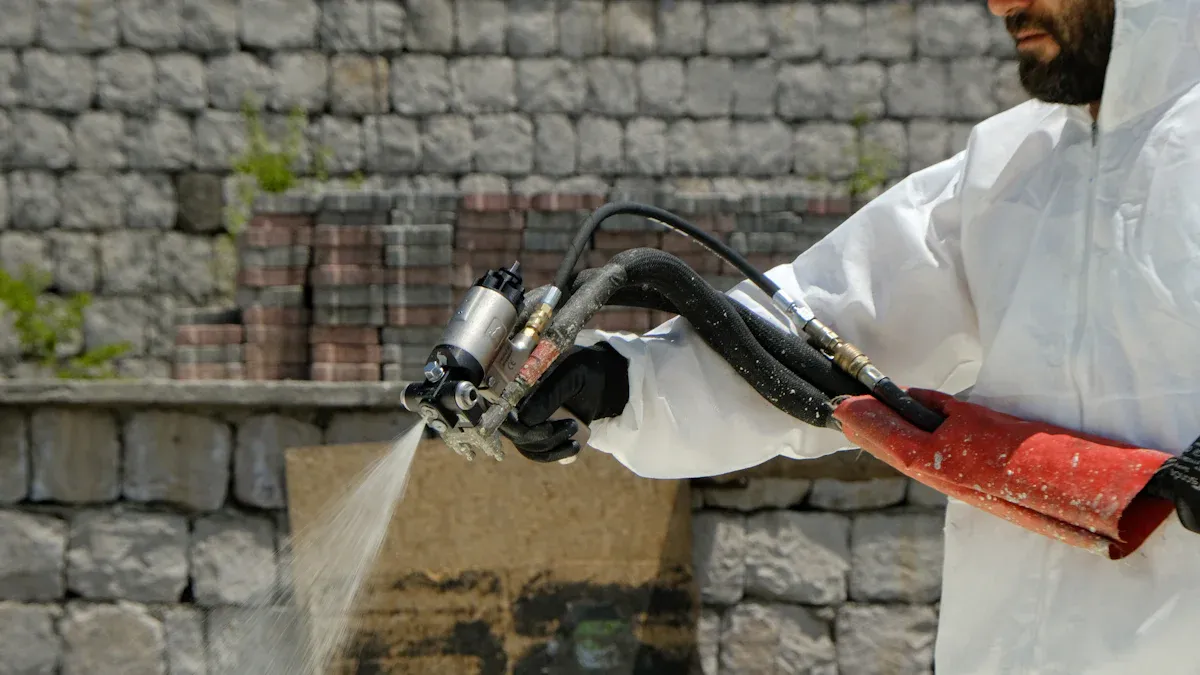
When you choose polyurethane spray equipment, you need to know how each part works. The right spray equipment helps you get the best results and keeps you safe. You will find many types of machines and tools for polyurethane foam spray. Each one has special features for different jobs.
You can pick from two main types of spray equipment for polyurethane spray foam. These are high-pressure machines and low-pressure machines. Each type has its own strengths and weaknesses.
High-pressure machines work well for big projects. You use them when you need to cover large areas fast. These machines mix chemicals at high speed, so you get a smooth and even foam. You will see less waste and better quality with these machines. High-pressure spray equipment also gives you a fine, uniform finish.
Type of Machine | Advantages | Disadvantages |
|---|---|---|
High Pressure Machine | - Uniform mixing, high efficiency, suitable for large-scale production. | - Requires professional knowledge for operation and maintenance. |
- Good wear resistance, air tightness, and thermal insulation. | - Higher initial purchase cost. | |
- Low raw material consumption and easy to clean. | ||
- Fine, uniform, and particle-free surface. | ||
- Excellent wear and corrosion resistance. | ||
- Simplified cleaning process and reduced maintenance costs. |
You need to know that high-pressure spray equipment costs more at first. You also need training to use it safely. If you want the best results for big jobs, this is the right choice.
Low-pressure machines work best for small projects or repairs. You can use them if you do not need to spray a lot of foam. These machines cost less and are easier to move. You do not need as much training to use them.
Type of Machine | Advantages | Disadvantages |
|---|---|---|
Low Pressure Machine | - Lower initial investment cost compared to high pressure machines. | - Spray gun and pipes can clog easily, requiring manual cleaning. |
- Unstable mixing effect, affecting foaming quality. |
Low-pressure spray equipment can clog more often. You may need to clean the spray gun and pipes by hand. The foam may not mix as well, so the quality can change. Pick this type if you want to save money and only need to spray a little foam.
You can use different mix heads and applicators with your polyurethane spray equipment. The right mix head helps you get the foam you want. Some mix heads are handheld, so you can move them easily. Others fit on robots for big jobs. You can also use pour mix heads for special shapes.
You can switch mix heads to match your project.
Handheld mix heads work well for small or tricky spots.
Robot-mounted mix heads help with large or repeat jobs.
Pour mix heads let you fill molds or special spaces.
Many spray equipment systems let you use more than one type of material. You can spray polyurethane foam, elastomers, or even polyurea. This makes your equipment flexible for many jobs.
Tip: If you need custom polyurethane spray equipment, look for systems that let you change mix heads and applicators. This helps you handle new projects without buying new machines.
Modern polyurethane spray equipment comes with smart features. You will find self-cleaning systems that save you time. These features help you avoid clogs and keep your spray gun working well. You can use your spray equipment for longer without stopping for repairs.
To keep your spray equipment safe and working, you should follow a simple care plan:
Clean the spray gun every day after you finish spraying. This stops chemicals from mixing and clogging the gun.
Check and clean the Y-strainer filters on the proportioner each week. This keeps the chemicals flowing well.
Look at the pump and hoses every month. Make sure they have enough oil and do not have cracks or leaks.
Ask a trained technician to check and calibrate your spray equipment once a year. They can find worn parts and fix them before they break.
If you take care of your polyurethane spray equipment, you will get better foam and fewer problems. Good maintenance keeps your spray equipment safe and ready for every job.
When you pick polyurethane foam spray equipment, you want safe machines. Chinareanin.com sells spray machines that help you stay safe and work well. Their equipment uses strong materials and follows safety rules.
Calibrating the machine helps you stay safe. It lets you control the foam and avoid mistakes.
Doing maintenance often stops the machine from breaking. This keeps your machine working and avoids delays.
Using good materials makes the foam strong and steady. You get fewer problems and reliable results.
Chinareanin.com makes machines that are easy to use and care for. You can clean the spray gun fast. You check filters and hoses without trouble. The instructions are clear for every step.
If you compare polyurethane foam spray equipment to polyurea spray equipment, you see big differences. Polyurethane foam machines mix and expand foam. You need careful control for the right texture and insulation. Polyurea spray machines use fast-setting coatings. You must heat the materials to higher temperatures. The ISO side of polyurea systems is thicker than the resin side. This is different from spray foam systems. In polyurea work, you control flow with the spray gun setup, not by changing the proportioning unit.
You must wear protective gear for both types of machines. Respirators, fresh-air systems, gloves, goggles, and protective clothes keep you safe from chemicals and fumes. Good ventilation keeps the air safe. Training helps you use the machines right and avoid accidents.
Note: Always follow the manufacturer’s instructions. Setting up and caring for your machine the right way keeps you safe and helps your machine last longer.
Chinareanin.com gives you machines for many projects. You can switch mix heads for different jobs. You get help with maintenance and training. You find equipment that fits your needs and keeps your work safe.
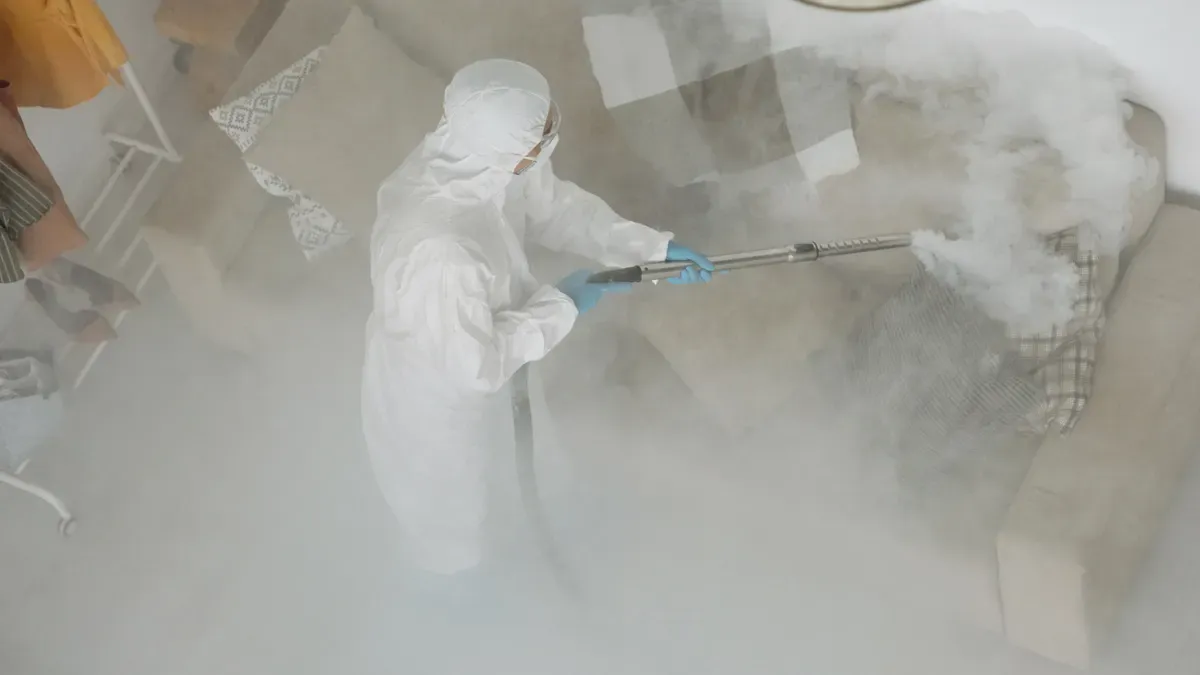
When you spray polyurethane foam, you must protect yourself. The chemicals in the foam can hurt your body. Using personal protective equipment keeps you safe and healthy. You need to cover your nose, mouth, eyes, skin, and body. Each piece of gear helps protect a different part of you.
Spraying foam makes fumes that are not safe to breathe. These fumes can make you cough or feel sick. You need a respirator that matches your job and where you work. NIOSH says there are different respirators for spraying foam. The table below shows which one to use in each place.
Type of Respirator | Application Environment |
|---|---|
Air Purifying Respirator | Generally for exterior use |
Powered Air-Purifying Respirator (PAPR) | Generally for exterior use |
Supplied Air Respirator (SAR) | Typically for interior use |
If you work outside, use an air purifying respirator or a powered air-purifying respirator. These help clean the air you breathe. If you spray foam inside, use a supplied air respirator. This gives you fresh air from a safe place. Always check your respirator before you start. Make sure it fits your face and works right.
Tip: Pick the right respirator for your work area. Clean air helps keep your lungs safe.
You need to keep foam chemicals off your skin. Wear chemical-resistant clothes that cover your arms, legs, and body. Coveralls are good for most jobs. Gloves are important because your hands touch the spray gun and chemicals. Nitrile gloves block chemicals and protect your hands.
Wear chemical-resistant coveralls to keep your body safe.
Use nitrile gloves to cover your hands.
Make sure no skin is showing.
Change your gloves if they rip or get dirty. Wash your hands when you finish spraying. Do not wear regular clothes because they do not stop chemicals.
Your eyes need strong protection when you spray foam. Safety goggles keep foam and fumes out of your eyes. You can wear goggles with a face shield for extra safety. Do not wear contact lenses when you use chemicals. Chemicals can get stuck and hurt your eyes.
Type of Protection | Description |
|---|---|
Eye protection | Safety goggles or goggles with face shields |
Skin protection | Chemical resistant clothing and gloves (e.g., nitrile) |
Safety goggles keep splashes out of your eyes.
Face shields give you more protection.
Chemical-resistant clothes and gloves keep your skin safe.
Note: Always check your ppe before you start. Replace any broken gear right away.
Wearing the right personal protective equipment helps you stay healthy. You protect your lungs, skin, and eyes. Always put safety first when you spray polyurethane foam.
When you pick spray equipment, you must think about many things. The right equipment helps you stay safe and do a good job. Experts say you should check these points:
Make sure your spray foam machine works with the equipment.
Pick equipment that is easy to clean and fix.
Check if you can get spare parts easily.
Make sure the equipment mixes materials well.
Look for good spraying and strong output.
Choose equipment that lasts when used a lot.
Make sure it feels comfortable and is easy to use.
See if the company gives help and service.
Buying good spray equipment saves time and helps you finish faster. It keeps your insulation steady and lowers repair costs. If you choose carefully, your work is safer and looks more professional.
The size of your project matters when picking spray equipment. You need to match the machine to your daily work and job type. Here are some simple tips:
Figure out how much foam you need each day. Small jobs use 20-30 sets a month. Big jobs need 40-60 sets.
Think about how easy it is to move your equipment. Small rigs are good for home jobs. Big rigs fit big sites.
Check if your job site has power. Some places need generators. Others have steady electricity.
The kind of job matters. Homes and factories need different setups.
Big jobs need stronger equipment to handle more work.
The right equipment makes your work easier. It helps your business run well and keeps your projects going.
Using spray equipment safely protects you and your team. Makers give tips to help you stay safe and get good results.
Tip | Description |
|---|---|
Proper Calibration | Check spray ratio, temperature, pressure, and flow often for even foam. |
Consistent Application Speed | Spray at a steady speed for smooth foam and the right thickness. |
Use High-Quality Materials | Pick materials that meet standards for strong and lasting foam. |
Proper Machine Maintenance | Clean and check your equipment often to stop breakdowns and keep it working. |
Maintain Optimal Environmental Conditions | Control temperature and humidity for good foam curing and performance. |
Tip: Always read your equipment manual before you start. Follow safety steps and check your gear every day.
If you follow these steps, your spray equipment works well and keeps everyone safe. Good choices and safe habits help you get better results every time.
You must be careful when spraying polyurethane foam. The table below gives easy tips for homeowners and workers.
Safety Takeaway | Description |
|---|---|
Proper Installation | Makes your home safe and keeps it comfy. |
Ventilation | Helps keep you safe from bad fumes. |
Use of Protective Gear | Stops chemicals from getting on your skin. |
Curing Time | Wait 24 hours before going back inside. |
Caution for Sensitive People | Be extra careful if you have asthma or a baby. |
Avoiding Errors | Mix chemicals well and watch the temperature. |
You should ask experts and makers for advice before you begin. This helps you pick the right tools and follow safety steps. Good habits keep you safe and help your insulation last longer. When you do things the right way, your home is safer and your results are better.
You use polyurethane foam spray to insulate walls, roofs, and floors. It helps keep your home warm in winter and cool in summer. You also use it to seal gaps and stop air leaks.
Yes, cured polyurethane foam becomes stable and safe. You must let it dry completely before you return to the area. Avoid sanding or heating the foam, as this can release harmful fumes.
You should wait at least 24 hours before going back inside. Air quality tests help you know when it is safe. Always follow the instructions from your installer.
You need a respirator, chemical-resistant gloves, coveralls, and safety goggles. These items protect your skin, eyes, and lungs from harmful chemicals. Always check your gear before you start.
You can spray small areas yourself if you follow safety steps. For large projects, you should hire a trained professional. Professionals have the right equipment and know how to keep you safe.
Wash your skin right away with soap and water. Do not use solvents. If you feel irritation, seek medical help. Always wear gloves to prevent contact.
Yes, you may notice a smell during spraying and curing. The odor goes away after the foam dries. Good ventilation helps clear the air faster.


