
Views: 0 Author: Site Editor Publish Time: 2026-07-22 Origin: Site


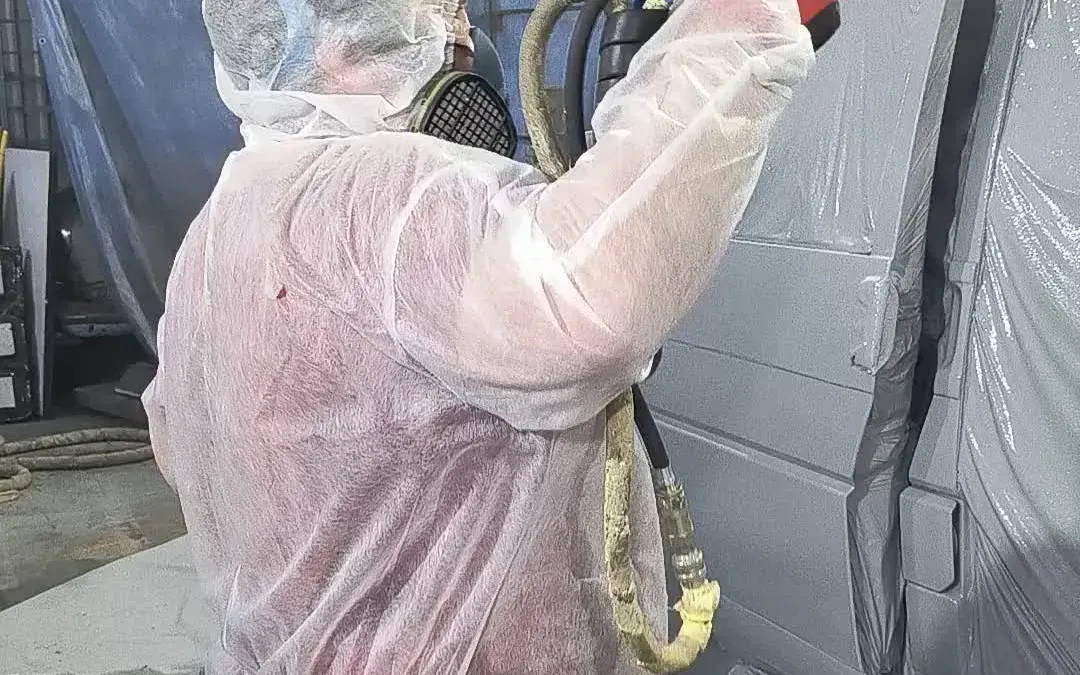
You use polyurethane spray foam sealant to insulate and seal gaps in homes and buildings. This product combines isocyanate and polyol resin to form a durable foam. Polyurethane spray foam sealant expands when you spray it, filling cracks and blocking air leaks. You rely on this sealant for energy savings and comfort. Understanding polyurethane spray foam sealant and the equipment for its application helps you achieve safe and effective results. Polyurethane spray foam sealant creates a strong barrier against moisture and air. You need to know how polyurethane spray foam sealant works before you start any project.
Polyurethane spray foam sealant insulates and seals gaps, improving energy efficiency and comfort in homes.
The sealant expands to fill cracks and block air leaks, creating a strong barrier against moisture.
Two main ingredients, isocyanate and polyol resin, react to form the durable foam used in insulation.
Spray foam insulation is versatile, suitable for attics, basements, and around windows and doors.
Choose open-cell foam for sound absorption indoors and closed-cell foam for moisture resistance outdoors.
Proper ventilation and safety gear are essential during application to protect against chemical exposure.
Follow best practices, like applying in thin layers and allowing full curing time, for optimal results.
Regular maintenance of spray foam equipment ensures consistent performance and longevity.

You use polyurethane spray foam sealant to create a powerful barrier against air and moisture. This material forms when two main components mix and react. You rely on spray foam insulation to fill gaps, cracks, and cavities in walls, ceilings, and floors. The foam expands quickly after application, sealing spaces that traditional insulation cannot reach. You choose spray polyurethane foam for its ability to block drafts and improve comfort in your home or building.
You find spray foam insulation in many construction and renovation projects. It works well in attics, basements, crawl spaces, and around windows or doors. You benefit from its versatility and strong insulating properties. The foam forms a seamless layer that prevents air leaks and reduces energy loss.
You need to understand the chemical makeup of spray foam insulation. The sealant contains two main ingredients: isocyanate and polyol resin. When you combine these, they react and create polyurethane foam. Each component plays a unique role in the process.
Component Type | Description |
|---|---|
Isocyanate (Component A) | Reacts with polyol to form foam; common type includes methylene diphenyl diisocyanate (MDI). |
Polyol Resin (Component B) | A blend of polyols, blowing agents, catalysts, surfactants, and other additives that influence foam properties. |
You find that the polyol resin includes blowing agents, catalysts, and surfactants. These additives help control the foam’s expansion and structure. You rely on the right balance of ingredients to achieve the best spray foam insulation performance.
You see the magic happen when isocyanate and polyol resin mix. The reaction produces carbon dioxide gas, which causes the foam to expand. You notice that water acts as a blowing agent, generating gas and forming the foam structure. Urea links form during the reaction, giving the foam its strength and durability.
The reaction between isocyanates and water produces carbon dioxide gas, which is essential for the foaming process.
Urea links are formed during the reaction, contributing to the structure of the resulting polyurethane foam.
The presence of water acts as a blowing agent, generating gas that leads to the foam structure during polymerization.
You watch spray foam insulation expand to about 10–20 times its original volume. This rapid growth fills every gap and creates a tight seal. You gain superior insulation compared to other materials. The foam’s expansion ensures that you cover hard-to-reach areas and block unwanted air movement.
The expansion ratio of polyurethane spray foam sealant is approximately 10–20 times its initial sprayed volume.
You measure insulation effectiveness using R-value. Spray foam insulation offers high R-values per inch, especially in closed-cell varieties. You compare it to other insulation materials and see the difference in performance.
Insulation Type | R-Value per Inch |
|---|---|
Closed-Cell Spray Foam | 5.5 to 5.7 |
Open-Cell Spray Foam | 3.6 |
Fiberglass | 3 to 4 |
Cellulose | 3.1 to 3.8 |

You choose spray foam insulation for its expanding and insulating properties. The foam creates a continuous barrier that stops air leaks and moisture intrusion. You improve energy efficiency and comfort in your space. You find that spray polyurethane foam stands out as a reliable solution for modern insulation needs.
Tip: You achieve the best results when you apply spray foam insulation in areas where air sealing and high R-value matter most.
You find spray foam insulation in many places where you need reliable insulation and air sealing. You use this material for both residential and commercial application. You often apply spray foam insulation to seal gaps in basements and fill cracks in crawl spaces. You insulate attics and seal around floors and ceilings. You fill gaps in sill plates and seal windows and doors. In commercial buildings, you use spray foam insulation for application in metal buildings, hospitals, warehouses, schools, offices, hotels, government facilities, and factories.
Residential application:
Sealing gaps in basements
Filling cracks in crawl spaces
Insulating attics
Sealing around floors and ceilings
Filling gaps in sill plates
Sealing windows and doors
Commercial application:
Metal buildings
Hospitals
Warehouses
Schools
Offices
Hotels
Government facilities
Factories
You choose spray foam insulation because it adapts to many surfaces and shapes. You use it for application in new construction and renovation projects. You rely on spray foam insulation to create a tight seal and improve comfort.
You gain several benefits when you use spray foam insulation. You notice that spray foam insulation expands to fill every gap, which creates a seamless barrier. You block drafts and prevent moisture from entering your space. You improve indoor air quality and reduce the risk of mold growth. You also increase the structural strength of walls and ceilings.
Tip: You achieve better results when you combine spray foam insulation with proper ventilation. This helps you avoid moisture problems and maintain healthy indoor air.
You see that spray foam insulation offers higher R-values than traditional insulation. You use spray foam insulation to boost energy efficiency and lower heating and cooling costs. You also reduce noise transmission between rooms. You rely on spray foam insulation for application in areas where you need both insulation and air sealing.
Aspect | Impact on Indoor Air Quality and Moisture Control |
|---|---|
Air Sealing | Reduces air exchanges, improving energy efficiency but potentially trapping pollutants and moisture. |
Ventilation Needs | Requires adjustments to ventilation systems to prevent poor air quality. |
Health Risks | Can lead to health issues due to trapped indoor pollutants and moisture. |
You must pay attention to ventilation when you use spray foam insulation. You prevent moisture buildup and protect your building from structural damage.
You use spray foam insulation to create an energy-efficient insulation system. You seal air leaks and reduce heat loss. You notice that spray foam insulation can cut thermal energy use by 22% to 26%. You save money on utility bills and make your home or building more comfortable.
You rely on spray foam insulation for application in areas where energy efficiency matters most. You create a continuous barrier that stops air movement and keeps temperatures stable. You improve indoor comfort and protect your investment.
Aspect | Impact on Indoor Air Quality and Moisture Control |
|---|---|
Airtight Seal | Improves energy efficiency but can negatively affect natural ventilation. |
Moisture Problems | Without proper ventilation, can lead to moisture issues and structural damage. |
You must follow re-occupancy guidelines after application. You ensure safe indoor air quality and avoid health risks from off-gassing. You always check ventilation and air exchange rates after you install spray foam insulation.
Note: You achieve the best energy-efficient insulation results when you combine spray foam insulation with proper air sealing and ventilation.
You need to understand the two main types of spray foam insulation: open-cell and closed-cell. Each type offers unique features that affect performance, cost, and where you should use them.
Open-cell spray foam insulation has a lighter structure and feels soft and spongy. You can easily compress it with your fingers. Closed-cell spray foam insulation is much denser and feels hard and rigid. This difference in density changes how each foam performs in your home or building.
Feature | Open Cell Spray Foam | Closed Cell Spray Foam |
|---|---|---|
Density | Lighter (~0.5 pcf) | Denser (~1.75-2.0 pcf) |
Texture | Soft and spongy | Hard and rigid |
Air Barrier | Excellent | Excellent |
Vapor Barrier | No (permeable) | Yes |
Water Resistance | Low (absorbs water) | High (repels water) |
R-Value (per inch) | R-3.5 to R-3.7 | R-6.0 to R-7.0 |
Structural Benefit | No | Yes (adds rigidity) |
You use open-cell spray foam insulation in interior walls and ceilings where you want sound absorption and do not need a vapor barrier. Closed-cell spray foam insulation works best in basements, crawl spaces, and exterior walls. It adds strength and resists water.
Open-cell spray foam insulation creates an excellent air barrier but does not stop moisture. You should avoid using it in areas with high humidity or water exposure. Closed-cell spray foam insulation blocks both air and vapor, making it ideal for wet or cold environments. It also adds structural support to your building.
You will notice that closed-cell spray foam insulation costs more—usually 30-50% higher per square foot than open-cell. You get higher R-values and better moisture protection with closed-cell foam. You should choose the type that matches your project’s needs and budget.
Tip: Use open-cell spray foam insulation for interior sound control and closed-cell spray foam insulation for exterior strength and moisture resistance.
You can apply spray foam insulation using low-pressure or high-pressure systems. Each system fits different project sizes and skill levels.
Low-Pressure Spray Foam | High-Pressure Spray Foam |
|---|---|
Ideal for small to midsize areas | Used in larger projects with complex shapes |
Can be done by homeowners or DIY enthusiasts | Preferably applied by experts |
Requires more product application to ensure proper sealing | The higher pressure increases the risk of overspray |
You use low-pressure spray foam insulation for small repairs, sealing gaps, or insulating small rooms. You can handle these systems yourself with basic training. High-pressure spray foam insulation is best for large buildings or complex shapes. You need professional equipment and experience to use high-pressure systems safely.
You will find spray foam insulation in one-component and two-component forms. Each type has its own advantages and disadvantages.
Type of System | Advantages | Disadvantages |
|---|---|---|
One-Component Polyurethane | Simple application, low cost, environmentally friendly (solvent-free) | Lower bond strength and durability compared to two-component systems |
Best for general construction sealing, insulation, and non-structural applications | ||
Two-Component Polyurethane | High adhesion, superior weathering and chemical resistance, tunable curing | More complex handling, need for mixing equipment, higher material costs |
Recommended for structural bonding, industrial assembly, and specialty applications |
You use one-component spray foam insulation for small gaps, cracks, and general sealing. You do not need special equipment. Two-component spray foam insulation is spray-applied with mixing equipment. You use it for large projects, structural bonding, and areas that need strong, durable insulation.
You should always match the spray foam insulation type to your project’s size, location, and performance needs. This helps you get the best results and long-lasting insulation.
You need to match the right foam sealant to each area of your project. Attics, basements, exterior walls, and crawlspaces all require different types of insulation. You select open-cell foam for attics because it absorbs sound and works well in dry conditions. Closed-cell foam suits exterior walls, basements, and crawlspaces. You benefit from its continuous insulation and moisture resistance. You improve energy efficiency and protect your building from water damage.
Application Area | Recommended Foam Type | Key Characteristics |
|---|---|---|
Attics | Open-Cell | Budget-friendly, sound absorption, dry conditions |
Exterior Walls | Closed-Cell | Continuous insulation, moisture resistance |
Basements | Closed-Cell | High R-value, moisture resistance, below-grade applications |
Crawlspaces | Closed-Cell | Energy efficiency, moisture barrier |
You achieve the best results when you choose insulation based on the specific needs of each area. You avoid problems like moisture buildup and poor thermal performance.
You must consider climate and environmental conditions before you select insulation. You check the temperature range for both the surface and the chemical components. You apply spray foam insulation when temperatures stay between 60° and 90°F. You get the best results when the temperature is between 65° and 85°F. Professional installers use equipment to control temperature during application.
Application Aspect | Temperature Range |
|---|---|
Surface and Ambient | 60° – 90°F (16° – 32°C) |
Chemical Components | 70° – 90°F (21° – 32°C) |
You choose closed-cell spray foam insulation for cold climates. Its high R-value of 6.5 per inch prevents heat loss and stops ice dams from forming. You rely on its density and moisture resistance to protect your building. You select insulation that matches your local weather and environmental challenges.
Tip: You improve insulation performance by maintaining proper temperature during application.
You need to balance your budget and the size of your project when you select insulation. Large projects require high-pressure spray foam systems. You use these for commercial and industrial buildings. Small projects allow you to use one-component foam in aerosol cans. You save money and simplify the process.
Larger projects need high-pressure spray foam systems for effective insulation.
Smaller projects use economical options like one-component foam.
Budget constraints guide your choice between open-cell and closed-cell foam.
Open-cell foam costs less and works well indoors.
Closed-cell foam costs more but offers better thermal efficiency and moisture resistance.
You consider the cost of insulation materials. You select open-cell foam for affordable indoor projects. You invest in closed-cell foam for outdoor or moisture-prone areas. You make smart choices by matching insulation type to your budget and project size.
Note: You maximize value by choosing insulation that fits both your project needs and your financial plan.
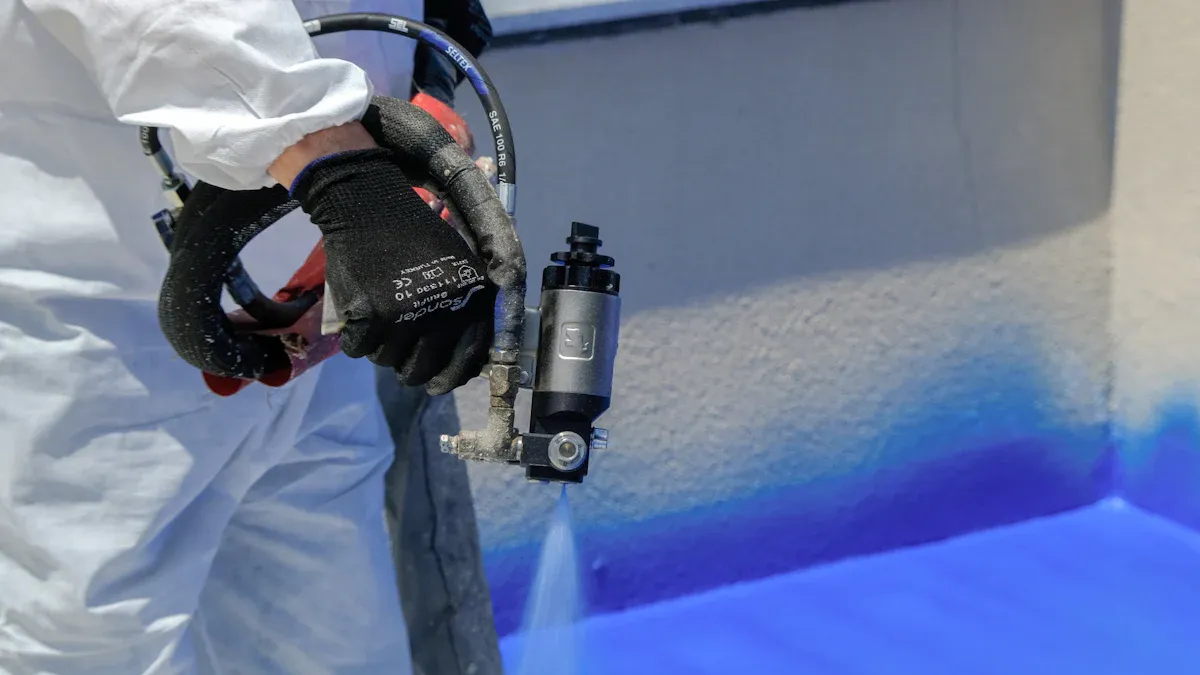
When you start a polyurethane spray foam sealant project, you need the right equipment for safe and effective results. You must select spray foam equipment that matches your project size and foam type. You also need mobile spray rigs to transport machinery and materials to the job site. You rely on proportioning machines to deliver precise amounts of chemicals for consistent foam quality. You must use spray guns that fit the foam system and ensure proper mixing and spraying.
You use several pieces of equipment to apply polyurethane spray foam sealant. Each tool plays a specific role in the process. You need to understand how spray foam equipment works to achieve the best results.
Mobile spray rigs: You use these to house and transport spray foam equipment, proportioning machines, and materials. Mobile spray rigs keep your tools organized and ready for use.
Proportioning machines: You rely on these machines to heat and pump the polyol and isocyanate components. Proportioning machines ensure accurate mixing and consistent foam quality.
Spray guns: You select spray guns that match the foam system. Spray guns control the flow and pattern of the foam. You need spray guns that provide even coverage and minimize waste.
Hoses and transfer pumps: You use hoses to move chemicals from storage tanks to the proportioning machines. Transfer pumps help maintain steady flow and pressure.
Mixers: You depend on mixers to blend the polyol and isocyanate. Mixers can be static or powered, such as rotary or impeller types. You choose mixers based on viscosity and mixing efficiency.
Tip: You achieve better foam quality when you use proportioning machines that maintain precise temperature and pressure.
You must also focus on safety. You need personal protective equipment to protect yourself from chemical exposure and airborne particles. You use proper ventilation to keep the work area safe.
Protective eyewear: You wear safety goggles or full face shields to shield your eyes from foam and chemicals.
Gloves: You use chemical-resistant gloves, such as nitrile or latex, to protect your hands.
Coveralls: You wear disposable coveralls to keep foam particles off your skin and clothes.
Face masks: You use P100 filters or half-face respirators to protect your lungs from dust and fumes.
Fresh air supplied hooded respirators: You use these for maximum protection in enclosed spaces.
Equipment Type | Purpose | Safety Feature |
|---|---|---|
Mobile spray rigs | Transport and organize spray foam equipment | Spill containment |
Proportioning machines | Heat, pump, and mix chemicals | Automated controls, interlocks |
Spray guns | Dispense foam evenly | Controlled operation |
Hoses and pumps | Transfer chemicals | Leak-free valves |
Mixers | Blend components for foam | Emergency shutdown protocols |
PPE | Protect operator from hazards | Full coverage |
You must receive proper training before you operate spray foam equipment. Training helps you understand how to use proportioning machines, spray guns, and mobile spray rigs safely. You learn how to set up equipment, check for leaks, and handle emergencies. You also learn how to maintain equipment for reliable performance.
Note: You improve safety and foam quality when you follow training guidelines and use the correct equipment.
You need to ensure proper ventilation in the work area. You use exhaust fans or open windows to remove fumes and maintain air quality. You check that all equipment operates without leaks. You keep spill containment materials nearby in case of accidents.
You follow a step-by-step process when you use a polyurethane foam spray machine:
You transfer polyol and isocyanate from storage tanks to proportioning machines using hoses and pumps.
You heat and pressurize the chemicals in proportioning machines to reach the correct temperature and pressure.
You move the chemicals to the mixing chamber, where mixers blend them into a homogeneous mixture.
You use spray guns to dispense the mixed foam onto surfaces. Spray guns control the spray pattern and coverage.
You monitor the foam application for even distribution and proper expansion.
You shut down equipment and clean spray guns, hoses, and mixers after the job.
Block Quote:
The mixing and dispensing phase is the critical moment of truth in polyurethane production. During a dispensing operation, the mixing head opens its valves, allowing the polyol and isocyanate to flow into the chamber. The quality of the final product is entirely dependent on the homogeneity of this mix.
You must check that all equipment functions correctly before you start spraying. You inspect spray foam equipment, mobile spray rigs, and proportioning machines for leaks or damage. You test spray guns for proper operation. You review safety protocols and emergency shutdown procedures.
You rely on training to handle equipment safely and efficiently. Training teaches you how to use proportioning machines, spray guns, and mobile spray rigs. You learn how to select the right equipment for each project. You also learn how to maintain equipment and troubleshoot problems.
Alert:
You must always wear PPE and ensure proper ventilation when using spray foam equipment. You protect yourself and others from chemical exposure and airborne hazards.
You achieve the best results when you combine the right equipment, thorough training, and strict safety practices. You use mobile spray rigs to organize your tools, proportioning machines to mix chemicals, and spray guns to apply foam. You follow training guidelines and use PPE to keep the work area safe. You inspect equipment before each job and maintain it regularly.
You improve foam quality and safety when you understand how spray foam equipment works. You rely on proportioning machines, spray guns, and mobile spray rigs for consistent results. You use training to master equipment operation and safety procedures. You protect yourself with PPE and proper ventilation. You achieve professional results with the right equipment and training.
You start by preparing the work area for spray foam application. You remove furniture, cover floors, and protect surfaces with plastic sheeting. You check for electrical outlets, pipes, and vents. You seal off areas that do not need insulation. You open windows or set up exhaust fans to improve ventilation. You inspect the space for moisture or leaks. You fix any water problems before you begin. You keep the work area clean and organized to avoid accidents.
Tip: You achieve better results when you clear the area and ensure proper ventilation before spraying.
You mix and load the polyurethane components carefully. You check the temperature of the chemicals and the room. You keep both between 65°F and 85°F for best performance. You follow the manufacturer’s instructions for mixing ratios. You use proportioning machines to heat and blend the polyol and isocyanate. You load the mixed chemicals into the spray gun. You inspect hoses and connections for leaks. You wear gloves and goggles to protect yourself from splashes. You test the spray gun on a small surface to check the foam quality.
Step | Action |
|---|---|
Check temperature | Keep chemicals and room within range |
Mix components | Use proportioning machine for accuracy |
Load spray gun | Fill with blended chemicals |
Inspect equipment | Check hoses and connections for leaks |
Test spray gun | Spray a small area for quality check |
You begin spraying foam in a steady, controlled manner. You hold the spray gun at the correct distance from the surface. You move the gun in even strokes to cover gaps and cavities. You apply foam in layers to avoid overfilling. You watch the foam expand and fill spaces. You monitor the thickness and coverage as you work.
You allow the foam to cure after spraying. Typically, polyurethane spray foam sealant requires about 24 hours to fully cure under standard temperature and humidity. Some products reach a tack-free state in a few minutes, but the internal curing process continues. You avoid touching or disturbing the foam during curing. You keep the area ventilated to help fumes escape.
Note: You achieve a strong, durable seal when you let the foam cure completely before finishing or painting.
You finish your spray foam project by making sure the surface looks neat and the tools stay in good condition. After the foam cures, you trim any excess material to match the surrounding area. You wait until the foam feels firm, usually between 45 and 90 minutes after spraying. You use a sharp utility knife or a foam cutting saw for best results. Score lightly along the surface and make several shallow cuts. This method helps you avoid damaging nearby materials.
Tip: Always remove trimmed pieces completely. Leaving scraps can affect the final appearance and performance.
You sand the surface with 80-grit sandpaper. This step improves paint adhesion and creates a smooth finish. You check the surface for rough spots and sand until you achieve the desired texture. You can paint or finish the foam after sanding.
You clean your spray foam gun immediately after use. If you let foam harden inside the gun, you risk blockage and poor performance next time. Follow these steps to clean your spray gun:
Remove the foam canister from the gun.
Dispense any remaining foam onto scrap material.
Attach an acetone cartridge or cleaning solution to the gun.
Flush the gun until clear solvent exits the nozzle.
Wipe external surfaces with a clean cloth.
You handle uncured foam differently from cured foam. If you spill uncured foam, clean it right away using acetone or a foam cleaner. Never use water, as it does not dissolve polyurethane foam. For cured foam, you must cut it away mechanically. Solvents cannot remove hardened foam.
Cleaning Method | When to Use | Tools Needed |
|---|---|---|
Acetone or foam cleaner | Uncured foam spills | Cloth, acetone |
Mechanical removal | Cured foam | Utility knife, saw |
Note: You protect your workspace by cleaning up spills quickly and disposing of waste properly.
You inspect the area for leftover debris and foam scraps. You collect all waste and place it in a sealed bag. You check your tools for residue and clean them before storing. You ventilate the area to remove any lingering fumes.
You achieve a professional finish by following these steps. You keep your tools ready for future projects and maintain a safe, clean workspace. You improve the appearance and durability of your spray foam insulation with careful finishing and thorough cleanup.
You can avoid many problems during polyurethane spray foam sealant application by learning from common mistakes. The table below shows frequent errors, their effects, and how you can prevent them:
Mistake | Problem Description | Solution |
|---|---|---|
Overfilling Gaps | Foam expands after application, causing waste and damage. | Fill only 40-60% of the void initially. The foam expands 2-3x its dispensed volume. |
Applying to Dirty or Oily Surfaces | Contaminants prevent proper adhesion, leading to bond failure. | Clean thoroughly with a degreaser. Wire brush masonry surfaces to remove loose material. |
Cutting Foam Too Early | Trimming before full cure weakens the structure. | Wait at least 30-60 minutes before trimming. Test a small area first. |
Blocking Intentional Ventilation | Sealing vents creates safety hazards. | Identify and mark intentional openings before starting. |
Using Foam Where Caulk Is Better | Foam in thin joints creates messy results. | Use caulk for gaps under ¼ inch or where a smooth finish is needed. |
You should also watch out for these issues:
Inadequate surface preparation can cause poor adhesion. Always clean and repair surfaces before you start.
Choosing the wrong product reduces performance. Match the sealant to your project needs.
Ignoring weather conditions affects foam quality. Plan your work for the right temperature and humidity.
Rushing cure time weakens the seal. Allow enough time for the foam to set.
Tip: You improve performance and safety by following proper spray foam training and reviewing these mistakes before each job.
You can get the best performance from polyurethane spray foam sealant by using smart techniques. Start by applying the foam in thin, even layers—about one inch at a time. Let each layer set before adding more. Move the spray gun at a steady pace to avoid sagging and mess. Always check that the surface is clean and dry before spraying. Remove any debris that could block a good bond.
You should monitor the temperature of both the chemical tanks and the surface you spray. Keeping the right temperature helps the foam expand and cure properly. If you want to boost performance, focus on even coverage and avoid overfilling gaps. You can learn these skills through hands-on spray foam training. Practice helps you control the spray gun and adjust your technique for different surfaces.
Note: You achieve top performance when you combine careful preparation, the right application method, and regular spray foam training.
You keep your spray foam equipment in top shape by following a regular maintenance schedule. Check oil levels in the generator and air compressor every day. Inspect hoses for leaks and lubricate moving parts. Each week, perform a deep cleaning of the system. Replace filters and check seals and O-rings for wear.
The table below shows how often you should complete key maintenance tasks:
Frequency | Maintenance Task |
|---|---|
Daily | Check generator and air compressor oil levels, inspect hoses for leaks, lubricate moving parts. |
Weekly | Deep clean the system, replace filters, check seals and O-rings. |
Monthly | Inspect and clean Y strainers, change pump lube, change oil and filters on generator and compressor. |
Seasonal | Winterize equipment, prepare for summer, ensure proper storage. |
You should also disassemble and soak spray gun components in cleaning solvent from time to time. This prevents blockages and keeps the gun working smoothly. Spray foam training often includes equipment care, so you learn how to spot problems early and fix them before they cause downtime.
Alert: You protect your investment and maintain high performance by following a strict maintenance routine and updating your spray foam training regularly.
You gain lasting benefits when you understand polyurethane spray foam sealant and choose the right equipment. Spray foam creates a continuous insulation system, blocks moisture, and limits drafts. You improve energy efficiency and reduce your carbon footprint. Always follow industry standards, review product labels, and use protective gear. Complete health and safety training before starting any project. For more guidance, explore resources from the Spray Polyurethane Foam Alliance and the Center for the Polyurethanes Industry.
You achieve safe, effective results by combining proper product selection, equipment, and best practices.
You usually see spray foam become tack-free in a few minutes. Full curing takes about 24 hours. You should avoid touching or trimming the foam until it feels firm.
You can apply spray foam in cold weather if you keep the chemicals and surfaces within the recommended temperature range. You achieve better results when you work between 65°F and 85°F.
You protect yourself by wearing PPE and ensuring proper ventilation. After curing, spray foam insulation is safe. You must follow safety guidelines during application to avoid exposure.
You can spray foam on wood, metal, masonry, drywall, and concrete. You must clean surfaces before application. You avoid using foam on wet or oily surfaces.
You remove uncured foam with acetone or a foam cleaner. You wipe spills quickly. You cannot use water to clean uncured foam. For cured foam, you cut it away with a knife.
You can paint over cured spray foam. You sand the surface first for better adhesion. You use latex or acrylic paint for best results.
You choose open-cell foam for sound absorption and indoor use. Closed-cell foam provides higher R-value and moisture resistance. You use closed-cell foam in basements, crawlspaces, and exterior walls.
You benefit from professional training. You learn how to operate equipment safely and achieve consistent results. You reduce risks and improve foam quality with proper training.


